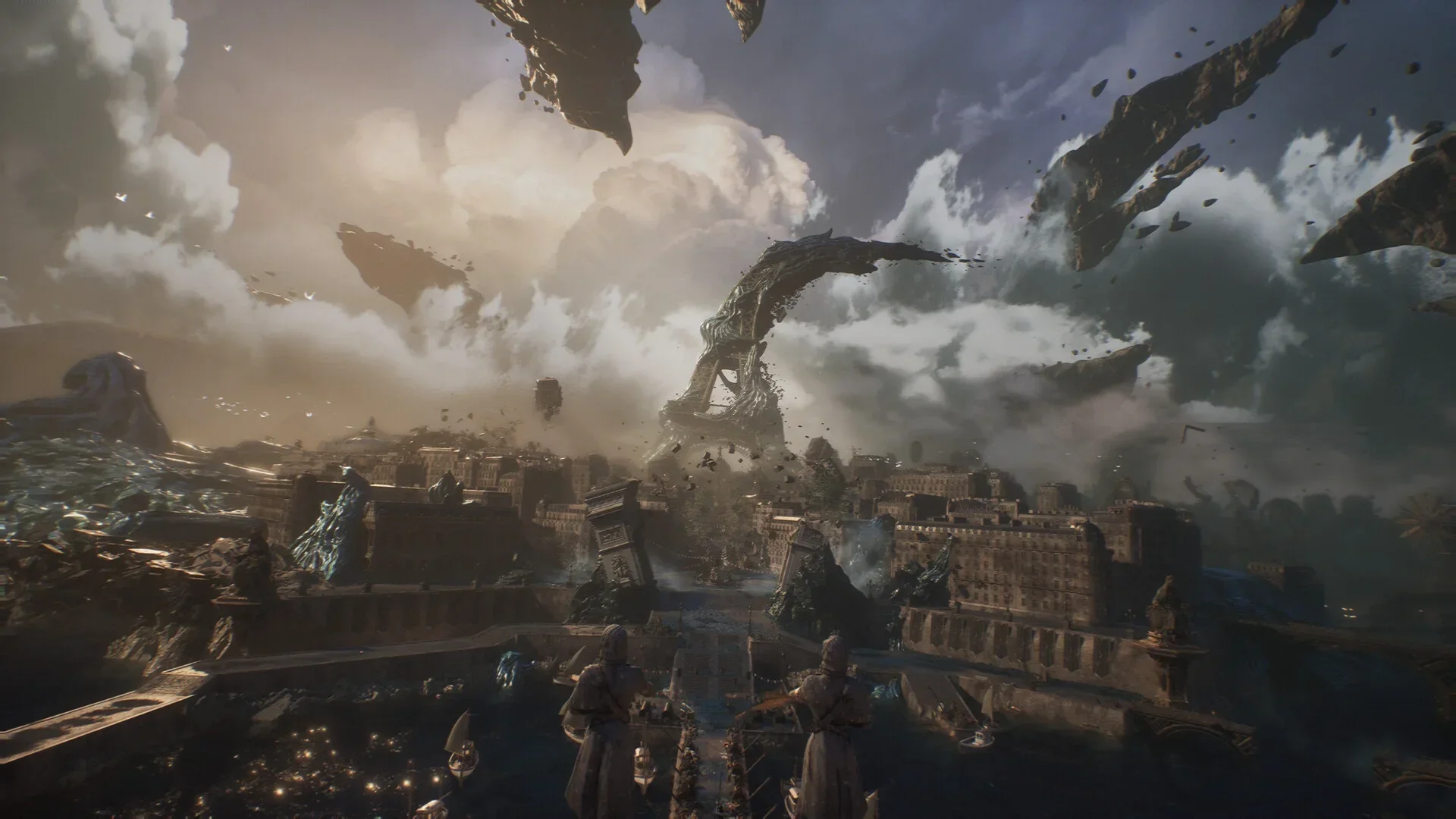
The gaming community witnessed another AI controversy unfold as 2025 draws to a close. What should have been a celebration of innovative RPG design turned into yet another heated debate about generative AI in game development.
Clair Obscur: Expedition 33 initially dominated the Indie Game Awards on December 18, claiming both Game of the Year and Debut Game honors. The recognition seemed well-earned this RPG represents some of the finest work in the genre this year. However, within 48 hours, Six One Indie revoked both awards from developer Sandfall Interactive.
The reason? Generative AI usage. But when you examine what actually happened, this situation reveals less about protecting artistic integrity and more about the unsustainable scrutiny facing modern game development.
 Nintendo Download for 1st January, 2026: Happy New Year!
 Table of Contents
The “No AI” Pledge That Wasn’t
Insider Gaming reports that the Indie Game Awards maintain a strict anti-generative AI policy. During submission, Sandfall Interactive acknowledged that “no gen AI was used in the development” of their game.
The developers checked the box and committed to the terms.
Yet game development rarely fits neatly into black-and-white declarations. Players discovered an AI-generated newspaper texture in the game months before the awards ceremony. This placeholder asset escaped quality control temporarily before being replaced with human-created artwork in a subsequent patch. When Sandfall acknowledged this usage on awards day, disqualification followed immediately.
 Steam Down Christmas Eve 2025: The Holiday Outage Nobody Wanted
 The Awards Show Failed Us Too
While developers technically violated the stated rules, the awards organizers deserve equal scrutiny.
Implementing a “No Gen AI” policy requires thorough verification beyond simple self-reporting. The AI placeholder texture was publicly documented for months prior to the awards. No concerns arose until after Clair Obscur won and media attention intensified.
The awards panel appears disconnected from contemporary game development realities. Industry surveys indicate most developers incorporate generative AI tools somewhere in their workflow whether for early concept work, code assistance, or temporary assets that get replaced before launch. Enforcing absolute zero-AI policies has become practically impossible, and retroactively removing awards over a patched placeholder crosses from principled enforcement into performative punishment.
 Japanese Game Devs Pick 2025 GOTY: The Results Will Surprise You
 The Exhaustion of 2026
This constant vigilance has become draining for everyone involved.
Developer anxiety and perpetual community policing both contribute to an increasingly hostile environment. We’re moving toward a future where every asset, code snippet, and voice line faces intense examination. Developers fear career-ending backlash for using productivity tools during prototyping. Players can’t simply enjoy games without navigating moral debates. Artists continue losing opportunities to automation. Nobody wins in this scenario.
 Sony Patents AI Ghost Player for Real-Time Gaming Tutorials (2026)
 The Game Is Still Amazing
One undeniable fact remains: Clair Obscur delivers exceptional quality.
The disqualification doesn’t diminish the countless hours of human creativity invested in combat mechanics, narrative design, and the overwhelming majority of visual assets created without AI assistance. The game stands as a genre benchmark regardless of administrative decisions.
The awards history now reflects Sorry We’re Closed as Debut Game winner and Blue Prince as Game of the Year recipient both deserving titles in their own right. But pretending Clair Obscur suddenly lacks merit because of one texture file defies reason.
 Nvidia and AMD GPU Prices 2026: A Gamer’s Worst Nightmare Unfolds
 A Grim Sign of Things to Come
This controversy won’t permanently damage Clair Obscur’s reputation the game’s quality will endure. Instead, this incident serves as a warning about where we’re headed.
Development boundaries continue blurring, enforcement mechanisms remain ineffective, and community discourse grows increasingly toxic. If this represents how we approach AI integration in 2025, the coming years promise exhausting battles over increasingly technical distinctions.
Moving forward requires clearer definitions, genuine transparency from all parties, and considerably less reactive outrage. Without these changes, navigating 2026’s AI debates will drain whatever goodwill remains in gaming communities.
 Brandon Sanderson Is Close to Adapting Mistborn Into a Video Game