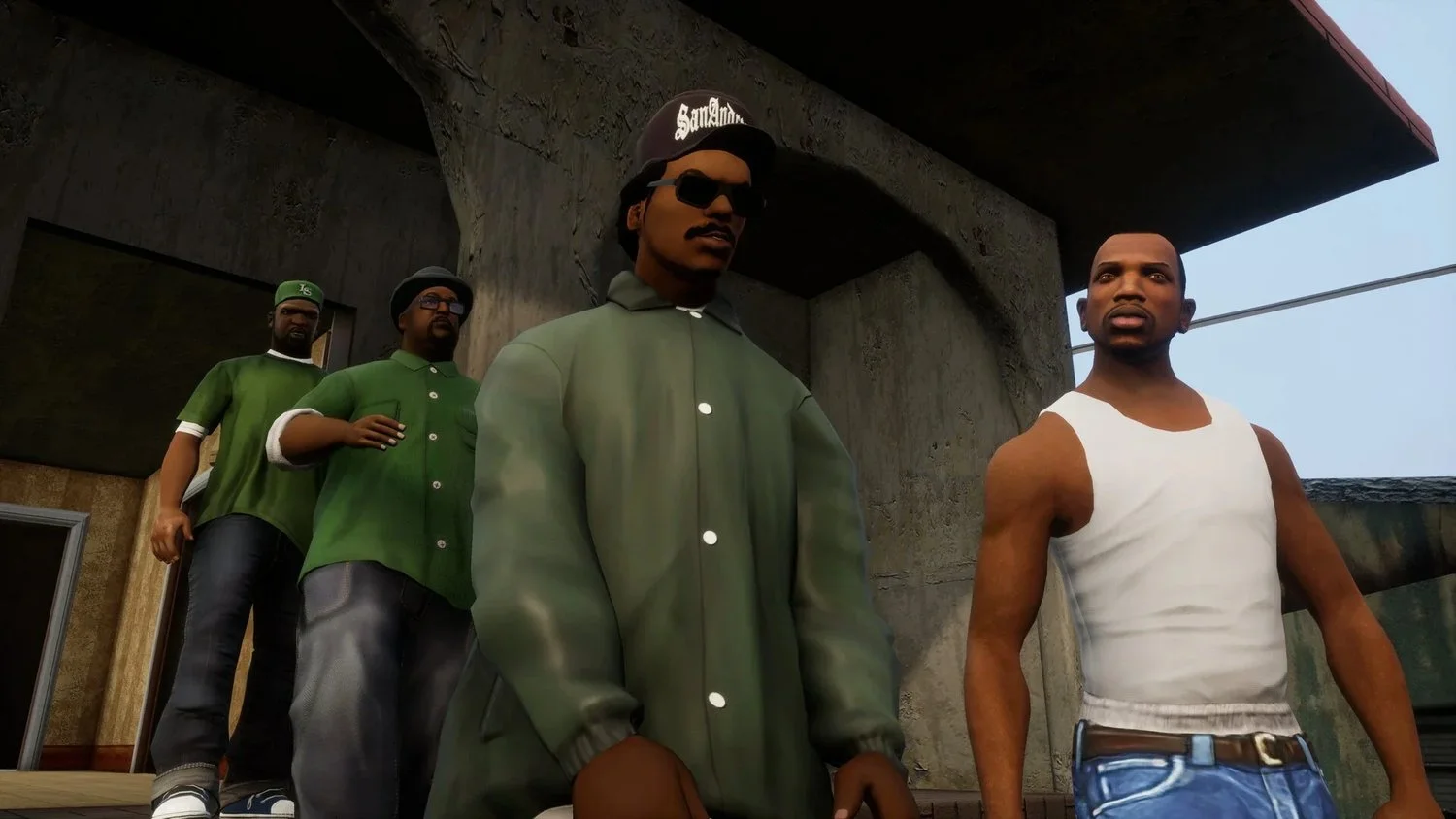
From the streets of Liberty City to the catastrophic launch of The Day Before, you’ve witnessed gaming’s most transformative era. Let’s examine what truly shaped the industry.
 My Wallet Is About to Die, and I Couldn’t Be Happier
Video games have undergone a remarkable transformation over the past 25 years. What began as a niche hobby has exploded into the world’s most profitable entertainment sector, surpassing both film and music combined. This period witnessed groundbreaking innovations, industry-defining controversies, and spectacular failures that reshaped how we think about interactive entertainment.
This retrospective explores more than just commercial success stories. We’re diving into the games that fundamentally altered development philosophies, the scandals that sparked regulatory changes, and the expensive disasters that taught the industry harsh lessons. From revolutionary mechanics to fraudulent schemes, these are the moments that defined modern gaming.
Table of Contents
Part I: The 2000s – Building the Damn Blueprints and Digging the Graves
The early 2000s represented gaming’s experimental frontier. Armed with PlayStation 2, Xbox, and GameCube hardware, developers began mastering three-dimensional game design in real-time. This creative explosion produced genre-defining masterpieces and controversial disasters that still influence game development today.
The World in Three Dimensions, For Real This Time
Grand Theft Auto III fundamentally changed open-world gaming in 2001. While neither the first 3D game nor the first open-world title, it perfected the formula by creating a living, breathing environment that actually worked. Liberty City became an amoral playground where player freedom took center stage, establishing a template that every major publisher has attempted to replicate since.
The technical achievement was remarkable. Powered by RenderWare engine, the game featured AI pedestrians, traffic systems, and seamless transitions between driving and combat. This wasn’t just technical wizardry it proved that player agency could form a game’s entire foundation.
However, this creative freedom sparked the infamous Hot Coffee scandal in 2005. Modders uncovered hidden sexual content within Grand Theft Auto: San Andreas’ code, contradicting Rockstar’s claims of external hacking. The ESRB rerated the game from Mature to Adults Only, forcing major retailers to pull it from shelves. The Federal Trade Commission issued formal warnings, while class-action lawsuits alleged consumer deception. This controversy cost over $20 million and forced the ESRB to implement stricter disclosure requirements for all hidden game content.
Moral Panics and Media Meltdowns
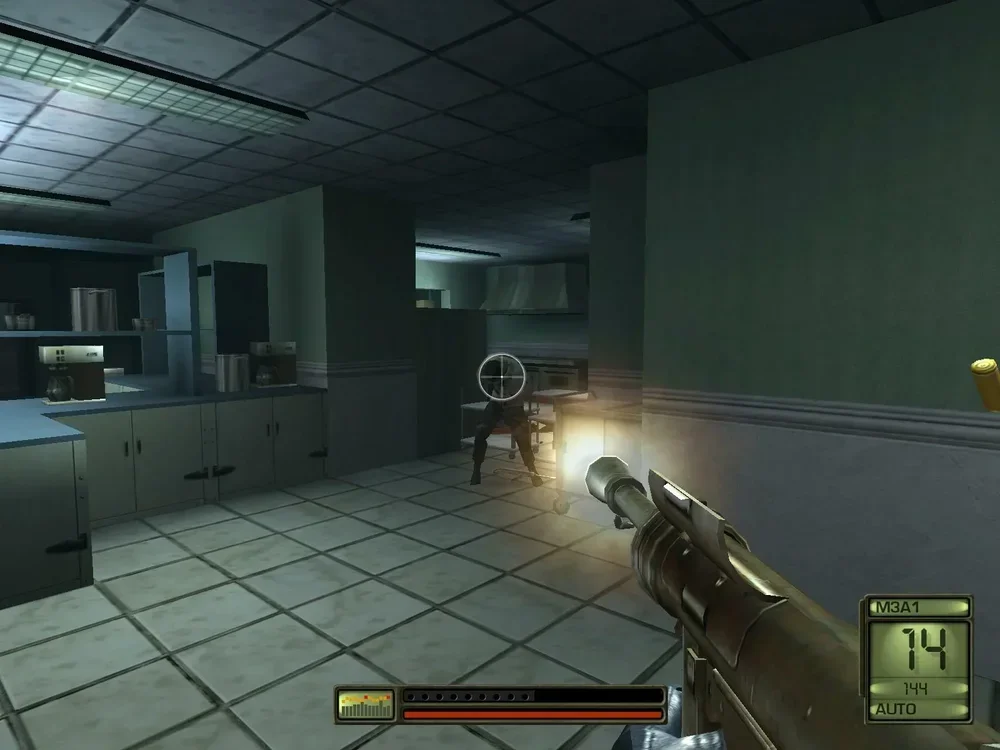
Hot Coffee peaked a decade of moral outrage over gaming content. Early titles like Soldier of Fortune faced regulatory scrutiny for graphic violence. The controversy intensified when developers tackled real tragedies JFK Reloaded (2004) and Super Columbine Massacre RPG! (2005) sparked ethical debates by recreating national tragedies. Games like Laden VS USA, based on September 11 attacks, were banned from American retailers. This shift from abstract violence concerns to specific trauma exploitation marked a pivotal industry moment.
 Gamers Discover Water Exists, Lose Their fucking Minds Over Mafia’s Lack of Swimming
Making Guns Fun on a Couch
First-person shooters traditionally belonged exclusively to PC gamers with precise mouse controls. Halo: Combat Evolved shattered that limitation. Bungie and Microsoft proved console FPS games could feel incredible by implementing revolutionary mechanics: a two-weapon limit, dedicated grenade button, and effective melee attacks. The intelligent enemy AI created dynamic, unpredictable firefights that felt fresh every time.
As an Xbox launch title, Halo sold millions of consoles while legitimizing an entire genre on console platforms. It established the foundation for the online multiplayer revolution that would dominate the following decade.
A Camera, a Chainsaw, and a Revolution
Third-person action games struggled with clunky camera angles and tank controls until Resident Evil 4 arrived. Capcom’s over-the-shoulder perspective created an intimate, cinematic experience that balanced action and horror perfectly. This single design choice revolutionized the genre so completely that it rendered previous approaches obsolete overnight.
The over-the-shoulder camera became the industry standard, adopted by virtually every major action franchise. Even the 2023 remake preserved this core formula, recognizing its timeless effectiveness. Yet this shift toward action-focused gameplay also planted seeds for future problems, ultimately contributing to Resident Evil 6’s identity crisis a bloated mess that copied mechanics without understanding the original’s purpose.
The Digital Dollhouse and the Second Life
While competitors focused on combat, The Sims and World of Warcraft built empires on completely different foundations. The Sims became a cultural phenomenon, proving games could succeed without violence or defined endpoints. It brought massive new demographics into gaming, particularly women, fundamentally changing industry perspectives.
Simultaneously, World of Warcraft transformed the grindy MMORPG genre into an accessible, addictive experience. Its quest-based progression and structured endgame content created a template that defined MMORPGs for over a decade, leaving countless failed “WoW killers” in its wake. Together, these titles demonstrated that gaming’s most powerful experiences aren’t about finishing stories they’re about living alternative lives.
 I Nuked My Arc Raiders Account for a Hat (For My Rooster), and I (Mostly) Don’t Regret It
Part II: The 2010s – The Revolution from the Garage and the Corporate Backlash
If the 2000s established AAA blockbuster templates, the 2010s demolished them. Digital distribution platforms like Steam empowered independent developers to challenge Hollywood-style production values and hand-holding design. This decade championed player freedom, with influential innovations emerging from bedrooms rather than boardrooms. It also revealed how corporate greed could undermine beloved franchises.
Giving Players the Bricks
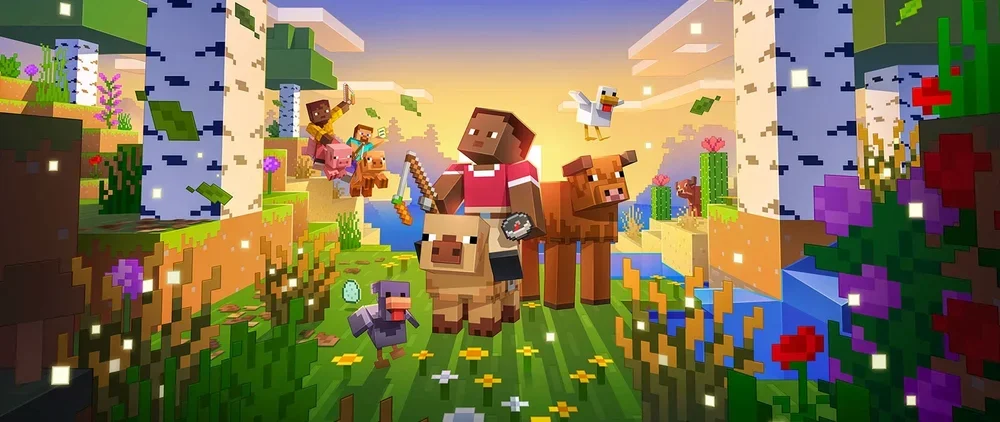
Minecraft catalyzed fundamental industry changes. Launching in unfinished alpha state, it popularized Early Access development, proving that transparent, community-driven iteration could succeed commercially. Its blocky sandbox directly rejected linear, scripted blockbusters, offering pure creative freedom that became a global phenomenon through YouTube’s emerging Let’s Play culture.
Minecraft injected crafting and base-building mechanics into gaming’s DNA. However, this democratization had consequences. Steam Greenlight’s accessibility spawned “asset flips”low-effort games assembled from pre-made components and sold to unsuspecting buyers. This represented the inevitable dark side of democratized game development.
The Gospel of ‘Git Gud’
As AAA games prioritized accessibility and constant positive feedback, From Software chose the opposite path. Dark Souls was brutally difficult, deliberately obtuse, and hid its narrative in cryptic item descriptions and environmental storytelling. It respected player intelligence enough to permit repeated failure, knowing eventual victory would feel earned through genuine challenge.
Dark Souls’ success created the “Souls-like” subgenre and revealed significant audience hunger for meaningful difficulty. However, it also spawned imitators who copied challenge without understanding fairness, creating pointlessly difficult experiences rather than rewarding ones.
The Franchise-Killers: Alienating the Core Audience
Some failures damage franchises by betraying established fan bases. Command & Conquer 4: Tiberian Twilight exemplifies this perfectly. The game eliminated core RTS mechanics resource gathering and base building in favor of mobile bases, a misguided attempt to capitalize on MOBA popularity. This identity rejection alienated longtime fans, resulting in disastrous reception, canceled content, and indefinite series hiatus.
Similar franchise killers like Guitar Hero: Warriors of Rock (2010) and Crackdown 3 (2019) confirmed their series’ decline by failing to evolve or match predecessor quality. These failures often trigger studio closures, as seen with Bizarre Creations and Visceral Games.
The Great Narrative Divide and The Witcher’s Gambit
The 2010s produced two competing storytelling philosophies. The Last of Us set new benchmarks for character-driven, emotionally devastating narratives, becoming gaming’s “prestige television moment.” Yet it sparked “ludonarrative dissonance” debates: how can you tell heartfelt stories about violence’s horrors while gameplay requires murdering hundreds brutally? This tension between narrative and mechanics remains unresolved.
Conversely, The Witcher 3: Wild Hunt redefined player choice through moral ambiguity. Quests lacked simple good-or-evil outcomes, with decisions creating unforeseen consequences rippling across its massive world. Its expansions Hearts of Stone and Blood and Wine were so substantial they shamed most full-priced sequels, establishing unprecedented DLC quality standards.
 Sony Just Patented A ‘Black Mirror’ Technology That Wants To Deepfake Your Video Games Into Safety
Part III: The 2020s – Freedom, Fraud, and Finally Getting It Right
The current decade synthesizes past lessons with cutting-edge technology, producing games offering unprecedented freedom and photorealistic graphics. Yet it’s also marked by spectacular high-budget failures and brazen scams that erode consumer trust.
The Tabletop Comes to Life
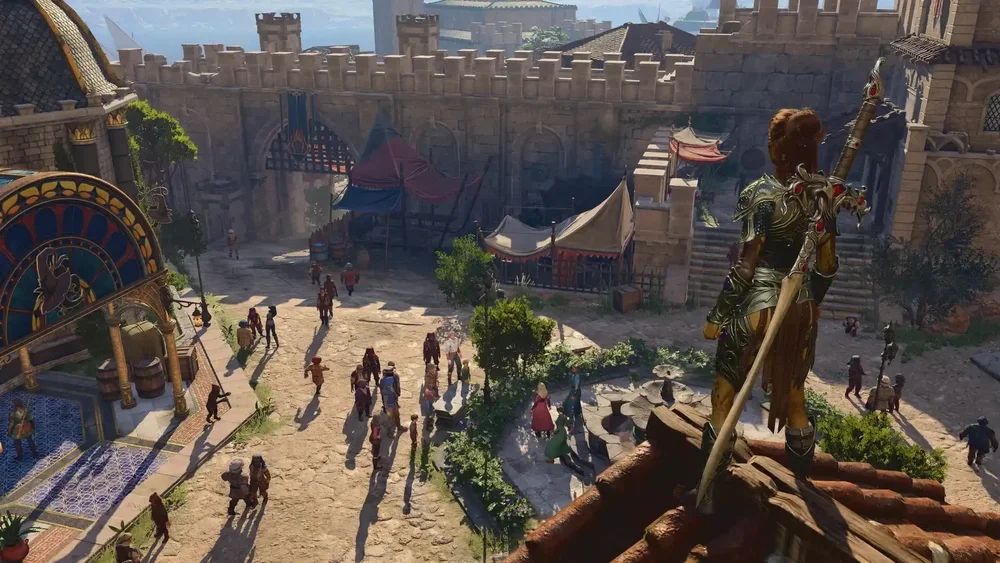
RPGs have chased tabletop Dungeons & Dragons’ freedom for decades. In 2023, Larian Studios achieved it. Baldur’s Gate 3 represents a monumental achievement in player agency, creating worlds that genuinely react to choices and problems solvable through countless approaches developers never explicitly programmed. Its branching narrative complexity creates truly personalized experiences.
BG3’s release caused minor AAA panic, with developers publicly calling it an “anomaly”tacit admissions they couldn’t or wouldn’t compete at that quality and depth level.
The Live-Service Graveyard
While some studios reached new heights, others excavated expensive graves. The modern market overflows with spectacular, high-budget failures from studios chasing saturated trends. Concord epitomizes this: an estimated $400 million development cost, a two-week lifespan before Sony pulled it. This hero shooter launched long after the genre shifted to free-to-play models.
Suicide Squad: Kill the Justice League and Skull & Bones both $200+ million projects languishing nearly a decade in development released into genres dominated by superior, established competitors.
 ARC Raiders Expedition Reset Guide: Worth It or Total Waste?
The Day Before: A Modern Cautionary Tale of Fraud
The Day Before represents modern consumer exploitation’s textbook case. Announced in 2021 as a post-apocalyptic open-world MMO, highly cinematic trailers made it Steam’s most-wishlisted game. Red flags abounded: developer Fntastic allegedly used unpaid “volunteers,” bizarre trademark disputes caused delays, yet founders repeatedly denied scam accusations.
The December 7, 2023 early access launch exposed the truth. It wasn’t an MMO just a low-quality, barely functional extraction shooter. Player counts plummeted 90% within four days. On December 11, Fntastic announced closure citing financial failure. The game was removed from sale, purchasers refunded. This multi-year con built purely on hype marked a new low in developer-consumer relations.
The Remake Renaissance: Loving Your Past Without Fucking It Up
The 2020s embrace remakes, often feeling like creatively bankrupt nostalgia exploitation. Results vary wildly. Grand Theft Auto: The Trilogy – The Definitive Edition exemplifies cynical approaches a broken, ugly mess showing minimal care for beloved classics.
Conversely, Resident Evil 4 Remake represents the gold standard. Beyond prettier graphics, it thoughtfully reimagined the experience for modern audiences with smarter level design and darker tone. It asked “How can we make this feel how we remember it feeling?” and achieved near-perfect execution, proving remakes can be artistic achievements.
The Redemptive Arc: Rebuilding from the Ashes
Some failures find redemption. No Man’s Sky launched to massive backlash for undelivered promises. Rather than abandoning it, Hello Games committed to multi-year free updates adding core features like multiplayer and base building. It’s now considered a massive success story.
Final Fantasy XIV’s redemption was even more dramatic. The 2010 original failed so catastrophically that Square Enix shut it down completely, rebuilding from scratch and relaunching as A Realm Reborn in 2013. This commitment transformed it into one of the most beloved, successful MMOs ever. These stories prove disastrous launches aren’t death sentences with unwavering community commitment.
 This New ‘Arc Raiders’ Overlay Just Made My Second Monitor Useless
Conclusion: What Was the Point of It All?
The past 25 years have been constant, violent push-and-pull battles: cinematic storytelling versus absolute player freedom, punishing difficulty versus gentle accessibility, groundbreaking innovation versus comfortable nostalgia. It’s been a war for the industry’s soul, pitting artistic integrity against predatory cynicism.
The most influential games weren’t always the prettiest or best-selling. They made arguments, held strong viewpoints, and executed so effectively that the industry had no choice but to listen. Yet for every titan like Baldur’s Gate 3, there’s a disaster like Concord teaching painful humility lessons. For every masterpiece like RE4 Remake, there’s blatant fraud like The Day Before reminding us never to trust slick trailers.
From Liberty City’s streets to Baldur’s Gate’s dungeons, this journey has been about developers discovering this medium’s capabilities and players demanding more. Every game discussed stands on predecessors’ shoulders, and the most exciting realization is that the argument continues. The blueprints exist, but there are always new rooms to build.