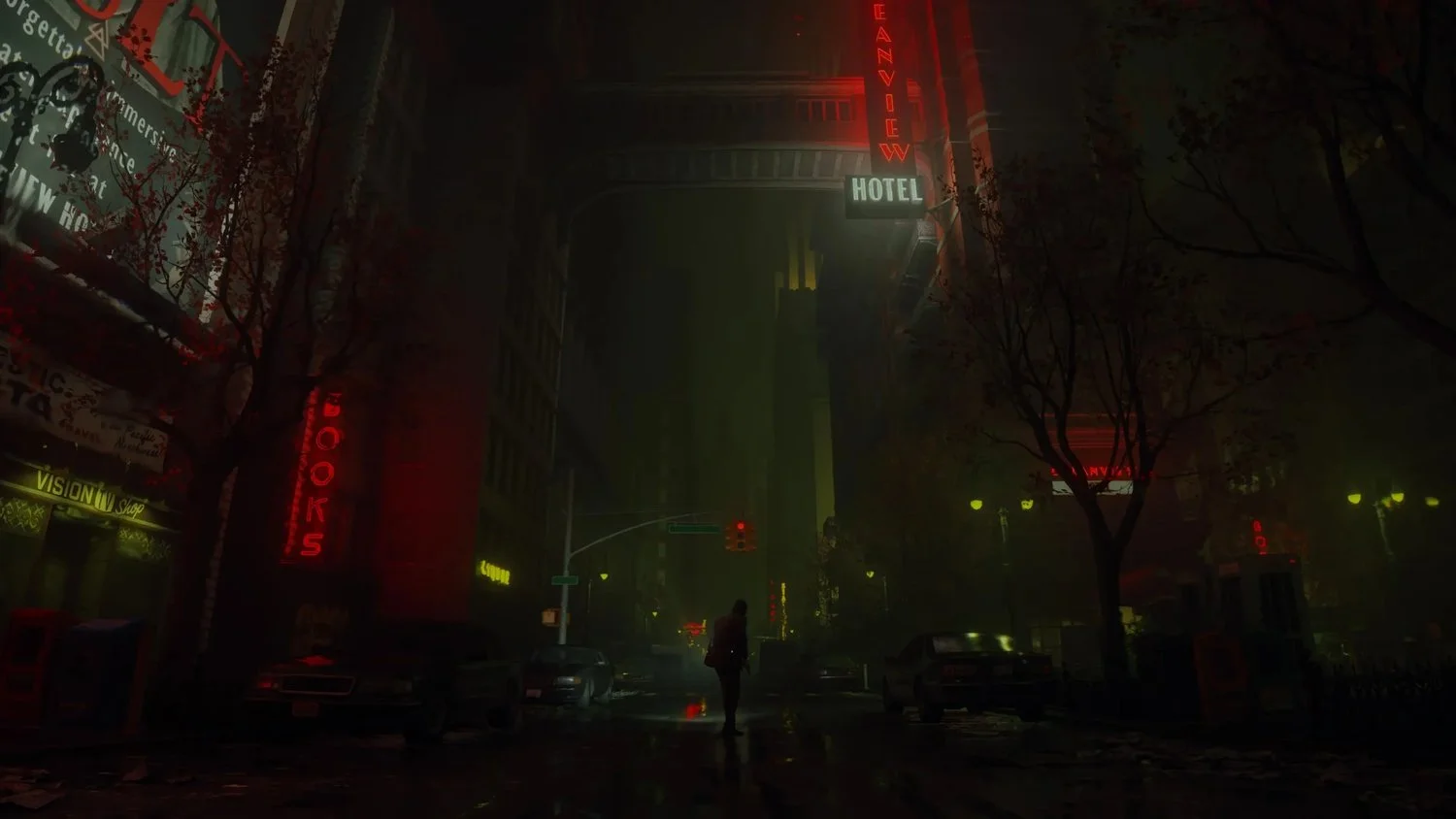
odern gaming has reached unprecedented levels of visual fidelity, with photorealistic graphics that blur the line between virtual and reality. Yet beneath these stunning visuals lies a troubling trend: many AAA games feel increasingly static and lifeless. While our hardware delivers breathtaking imagery, the industry seems to have abandoned the interactive sandbox experiences that once defined gaming’s potential.
Picture this: You’re exploring a meticulously crafted environment where every surface showcases cutting-edge rendering technology. Volumetric lighting pierces through atmospheric particles, texture work rivals professional photography, and material shaders create convincing wood, metal, and fabric. Armed with a powerful weapon, you target a simple coffee mug sitting on a table. You fire.
Absolutely nothing happens.
The mug remains perfectly stationary, an immovable object defying all logic and physics. The nearby lamp proves equally indestructible. In that instant, the carefully constructed illusion crumbles. Despite its technical achievements, this world reveals itself as merely a high-fidelity backdrop a gorgeous, path-traced museum exhibit designed for observation, not interaction.
This criticism isn’t targeted at any single game like Alan Wake 2, which delivers exceptional storytelling and atmospheric horror. Rather, it highlights a systemic issue plaguing contemporary AAA development: the proliferation of static, non-interactive environments. The gaming industry has sacrificed gameplay interactivity at the altar of polygon counts and graphical showcases, creating experiences that look phenomenal but feel emotionally hollow.
 I Nuked My Arc Raiders Account for a Hat (For My Rooster), and I (Mostly) Don’t Regret It
 Table of Contents
The Ghost of Interactivity Past
The landscape wasn’t always so restrictive. Rewind to 2004’s Half-Life 2, where Valve’s gravity gun revolutionized environmental interaction. Players could manipulate virtually any object toilets, radiators, explosive barrels, circular saw blades transforming mundane props into improvised weapons or physics-based puzzle solutions. This wasn’t mere novelty; it was fundamental game design philosophy. The gravity gun communicated that this virtual space operated under consistent rules that players could exploit creatively.
Even minor interactions reinforced immersion: throwing a soda can at a Combine soldier’s helmet or stacking crates to reach hidden areas. These moments proved the world’s solidity and responsiveness. Today’s equivalents often limit destruction to predetermined “breakable” objects highlighted by obvious visual cues, stripping away player agency and spontaneous discovery.
The contrast becomes striking when examining Nintendo’s approach. The Legend of Zelda: Tears of the Kingdom operates on aging Switch hardware a console dramatically less powerful than current-generation machines yet delivers intricate physics-based gameplay that embarrasses most AAA competitors. Players can fell any tree, attach it to constructed vehicles using the Ultrahand ability, and engineer creative solutions to combat encounters. The game world feels genuinely reactive and alive, encouraging experimentation rather than passive observation.
 Sony Just Patented A ‘Black Mirror’ Technology That Wants To Deepfake Your Video Games Into Safety
 The Unholy Trinity: Photorealism, Open Worlds, and Man-Hours
This regression stems from three interconnected development trends that players have inadvertently encouraged through purchasing habits and community feedback.
The Photorealism Arms Race
The industry’s obsession with achieving cinematic visual quality has transformed asset creation into an exhausting, resource-intensive process. Creating a simple environmental prop like bread now demands extensive technical work: physically-based rendering materials for crust texture, subsurface scattering calculations for interior softness, and micro-detail generation for individual sesame seeds. This perfectionism satisfies social media scrutiny but creates unsustainable development pipelines.
When individual assets require week-long production schedules, studios understandably make them permanent fixtures. Nobody allocates additional resources modeling fragmented versions, physics behaviors, and particle effects for objects destined to be background decoration. Indestructibility becomes the economically rational choice.
The Open-World Epidemic
Marketing departments demand massive explorable spaces advertised as “over 100 hours of gameplay” spread across “the biggest map ever created.” This emphasis on quantity over quality forces development teams to distribute limited resources across enormous digital territories. The inevitable result: superficial environments populated with copied, non-interactive assets because filling vast spaces with meaningful, reactive content would require impossibly extended development cycles.
 A Quarter-Century of Gaming: The Hits, the Misses, and the Ideas That Refused to Die
 The Man-Hour Bottleneck
Modern AAA production pipelines have become bureaucratic nightmares where simple interactive elements balloon into major undertakings. Implementing a functional microwave might be trivial programming-wise—a basic trigger system and audio playback. But contemporary standards demand UI mockups, sound design sessions, motion-capture animation of button-pressing, quality assurance testing, and departmental approvals. That whimsical detail just consumed a month across multiple teams. Such features get eliminated during scope reduction meetings.
 Gamers Discover Water Exists, Lose Their fucking Minds Over Mafia’s Lack of Swimming
 A Tale of Two Remedies
Remedy Entertainment’s recent releases perfectly illustrate that environmental interactivity represents a conscious design choice rather than technical limitation. In 2019’s Control, players wielded telekinetic powers to weaponize office environments, hurling concrete chunks ripped from walls and reducing architectural structures to debris. The destruction felt visceral and empowering, creating memorable emergent gameplay moments.
Fast-forward to Alan Wake 2, a technical tour de force where virtually nothing responds to player interaction. The environments boast impeccable graphical fidelity but possess diamond-like rigidity. Same developer, identical engine foundation—the difference lies entirely in prioritization. Remedy chose cinematic presentation and atmospheric storytelling over dynamic, physics-driven world-building.
 ARC Raiders Expedition Reset Guide: Worth It or Total Waste?
 It’s Okay to Like the Pretty Picture
To be absolutely clear: Games like Alan Wake 2 and Resident Evil Village represent artistic achievements deserving recognition. They excel at atmospheric horror, narrative delivery, and visual spectacle. These titles aren’t failures—they’re meticulously crafted experiences that prioritize different design philosophies.
However, their approach creates a specific player experience: guided museum tours through beautiful but untouchable exhibits. You observe stunning vistas and appreciate meticulous craftsmanship, but genuine interaction remains prohibited. This design philosophy undermines immersion and presence—that intangible quality separating truly inhabited virtual worlds from elaborate backdrops.
The industry’s trajectory suggests we’ve collectively sent the wrong market signals. By consistently rewarding graphical fidelity and massive scope through purchasing decisions and social media praise, we’ve encouraged studios to abandon reactive, physics-based gameplay in favor of photorealistic prettiness.
Perhaps it’s time to recalibrate expectations. Instead of celebrating “biggest map ever” marketing points, we should champion dense, reactive environments where player actions have meaningful consequences. Give us smaller worlds packed with interactive possibilities rather than expansive, static postcards. A messy, responsive room that reacts to your presence will always feel more alive than a perfectly arranged, unchangeable museum display.
The technology exists. The talent exists. What’s missing is industry-wide commitment to interactive design principles that prioritize player agency over screenshot-worthy visuals. Until consumer behavior shifts to reward interactivity alongside graphical achievement, we’ll continue receiving beautiful, lifeless dioramas instead of living, breathing game worlds.
 My Wallet Is About to Die, and I Couldn’t Be Happier