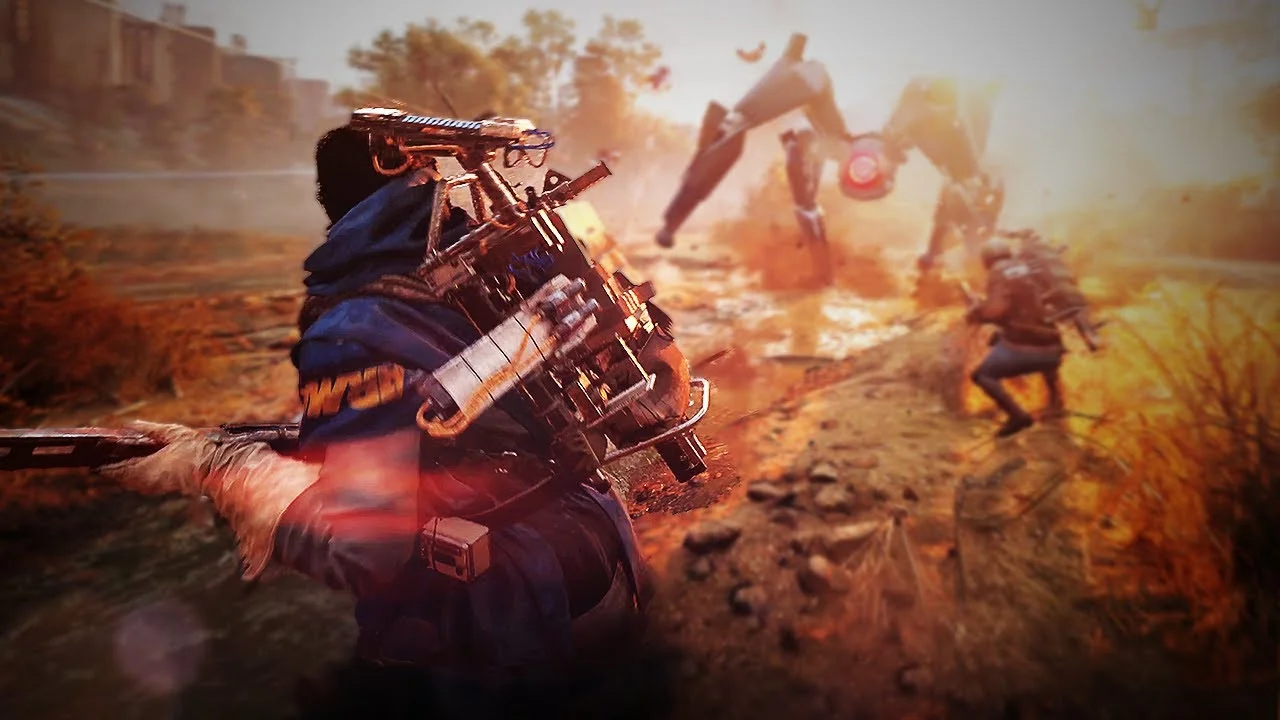
Look, I’ll be straight with you—I’ve spent the last three weeks absolutely obsessed with Arc Raiders, and I’ve made every skill tree mistake imaginable. Wasted points on skills that sound amazing but do basically nothing. Dumped precious resources into abilities I used exactly twice. Built a “tank” loadout that moved slower than a geriatric tortoise.

 Cloudheim Starter Guide: Stop Hoarding and Start Kicking
 But here’s the beautiful thing about making mistakes: you learn exactly what not to do. And after resetting my progression (which, by the way, requires gathering enough materials to build a small spacecraft), I’ve finally cracked the code on how to actually spend those 75 skill points without ruining your raider’s entire existence.
This Arc Raiders skill tree guide isn’t some corporate-approved, publisher-friendly nonsense. It’s the real deal—tested, validated, and born from the ashes of approximately fourteen failed extraction runs where my stamina management was so bad I couldn’t even sprint away from a particularly angry drone swarm.
 Stop Building Like A Noob: Advanced Tactics To Break ‘Alchemy Factory’
 Table of Contents
Understanding Arc Raiders’ Three Skill Trees
Before we dive into the nitty-gritty, you need to understand how Embark Studios designed this progression system. Unlike most extraction shooters where your gear does all the talking, Arc Raiders puts meaningful power in your hands through three distinct skill branches: Mobility, Conditioning, and Survival.
The genius—and the curse—of this system is its permanence. You can’t just respec on a whim like in some RPG where gold is infinite. In Arc Raiders, your choices stick until you voluntarily wipe your character through the Expedition Project, which happens roughly every eight weeks. That’s two months of living with your decisions.
Here’s what each tree actually does:
Mobility Tree: This is your movement economy department. Everything from sprint stamina to vault costs lives here. If you’ve ever been caught in the open because you ran out of stamina mid-sprint while a Hunter drone locked onto your position, you understand why this tree matters. Marathon Runner, Youthful Lungs, Slip and Slide—these aren’t just nice-to-haves. They’re the difference between making it to extraction and becoming someone else’s loot piñata.
I cannot stress this enough: mobility skills provide the most immediate, tangible improvement to your survival rate. You’ll feel the difference in your very next raid.
Conditioning Tree: Think of this as your “when things go sideways” insurance policy. Noise suppression for breaching, stamina recovery when you’re critically hurt, reduced penalties from heavy shields—all the unglamorous but absolutely essential stuff that keeps you operational during those desperate moments. The skills here won’t make you faster or stronger, but they’ll keep you fighting when lesser raiders are already bleeding out.
Survival Tree: This is where your inner looter gets to shine. Increased carry weight, faster looting, field-crafting capabilities, and eventually the crown jewel: Security Breach. That last one lets you crack open those high-value Security Lockers that most players just stare at longingly. The Survival tree is all about maximizing your profit per raid and giving you the tools to actually bring home the good stuff.
 EU5 Government Guide: Societal Values Explained
 Your First 20 Skill Points: Foundation or Failure
Let’s talk about the make-or-break moment in your Arc Raiders progression: those first 20 points. Get this right, and you’re building on solid ground. Mess it up, and you’ll feel the consequences for weeks until your next wipe opportunity.
I’m going to give you the exact progression path that works for 90% of players, whether you’re running solo or with a squad. This isn’t theory—it’s what actually performs in the Rust Belt.
Priority One: Mobility Foundations (First 12 Points)
Start here. Don’t even look at the other trees yet. Your first investments should go straight into Marathon Runner and Youthful Lungs from the Mobility tree.
Marathon Runner reduces the stamina cost of sprinting. This skill scales beautifully with each point you dump into it, and at max rank, you’ll notice you can cover significantly more ground before that stamina bar hits zero. In a game where positioning is everything and getting caught in the open is often fatal, this is non-negotiable.
Put at least 5 points here immediately. Yes, five. I know it feels like a lot, but trust me—the difference between rank 1 and rank 5 Marathon Runner is the difference between making it to cover and becoming target practice for that Harvester that just spotted you.
Youthful Lungs increases your maximum stamina pool. Think of it as expanding your gas tank. More stamina means more options in combat, better ability to reposition, and those crucial extra seconds when you’re sprinting toward an extraction point while half the server is shooting at you.
Drop 2-3 points here minimum. Your stamina pool is your most valuable resource in Arc Raiders, and you want it as deep as possible early on.
After you’ve got those foundations, grab Slip and Slide. This beauty lets you slide further and faster without additional stamina cost. The sliding mechanic in Arc Raiders isn’t just flashy—it’s a legitimate combat and evasion tool. You can slide through doorways, break line of sight, and get out of danger zones faster than sprinting alone.
Invest 3-4 points here. The improved slide distance has saved my life more times than I can count, especially when trying to break contact with aggressive players or when an ARC patrol spots you at the worst possible moment.
Priority Two: Survival Essentials (Next 5 Points)
Now we’re going to dip into the Survival tree, but we’re being strategic about it. Don’t get distracted by the shiny high-tier abilities. We’re building toward In-Round Crafting, which is arguably one of the most powerful quality-of-life skills in the entire game.
To unlock In-Round Crafting, you need to invest in Agile Croucher and Revitalizing Squat first. These are your “tax” skills—not glamorous, but necessary.
Agile Croucher increases your crouch movement speed. Honestly? It’s pretty useful. Arc Raiders rewards stealth approaches, and being able to crouch-walk at a decent pace while staying quiet is valuable for solo players especially.
Revitalizing Squat is… well, it exists. The stamina regeneration while crouched is barely noticeable, but you need it to progress.
Once you’ve paid that tax, In-Round Crafting opens up, and this changes everything. Being able to craft Shield Rechargers, Bandages, and Grenades in the field means you’re not completely screwed if you burn through your consumables mid-raid. Found yourself in an extended firefight and out of healing? Craft some. Need to deal with a particularly annoying ARC cluster but you’re out of explosives? Craft some.
This skill has literally saved raids I thought were over. Absolutely worth the 5-point investment to unlock it.
Priority Three: Advanced Mobility (Final 3 Points)
With your remaining early-game points, grab Carry the Momentum. This skill is peak Arc Raiders design: after you perform a sprint dodge roll, sprinting doesn’t consume stamina for a short duration. There’s a cooldown, but when it’s active, you can chain aggressive movements that would normally drain your entire stamina bar.
The tactical applications are endless. Dodge roll out of danger, then sprint to cover for free. Dodge roll to break line of sight, then reposition without stamina penalty. In a game where stamina management is life or death, getting free sprints is borderline broken.
You’ll need to spend 15 points total in the Mobility tree to unlock this skill, which is why we’ve been stacking points there first.
 My Winter Car Firewood Cutter Guide: How To Attach And Use It?
 Levels 21-45: Building Your Playstyle
Alright, you’ve got your foundation. Your raider doesn’t run out of stamina walking to the corner store anymore. You can craft in emergencies. Now it’s time to specialize based on how you actually play this game.
The Loot-Focused Path
If you’re here to get rich—and let’s be honest, we all are—your next 15-20 points should go toward maximizing your looting efficiency and carry capacity.
Broad Shoulders is your ticket to actually bringing home the good stuff. It increases your total carrying capacity, which means more loot per raid and fewer painful decisions about whether to drop that epic weapon part to pick up the blueprint you actually need.
Max this out. Seriously. The extra carry weight compounds over time, and if you’re grinding for specific materials or trying to complete collection quests for traders, being able to haul more per trip is invaluable.
Pair this with Looter’s Instincts, which gives you a chance to find additional items when looting raider containers. Is it a game-changer? Not really. But free loot is free loot, and over dozens of raids, those bonus finds add up. A couple points here is fine—don’t max it unless you’re absolutely drowning in spare points.
The real prize in the Survival tree is Security Breach. This skill allows you to breach Security Lockers, which contain some of the most valuable loot in the game—high-tier blueprints, rare materials, premium weapons. The catch? It’s deep in the tree and requires significant point investment to unlock.
You’ll need roughly 20-25 points in Survival to get there, but if you’re serious about maximizing profit, it’s worth every single point. Most players won’t make this investment, which means you’ll have access to loot spots they can’t touch. That’s a massive competitive advantage.
The Combat-Ready Path
Maybe you’re more interested in winning fights than winning spreadsheets. Fair enough. Let’s talk about the skills that keep you alive when things get loud.
Head back to the Conditioning tree and grab Used to the Weight. This skill reduces the movement speed penalty from heavier shields. If you’re the type who likes to push fights with a chunky shield and aggressive positioning, this is mandatory. Heavy shields offer serious protection but normally slow you down—Used to the Weight minimizes that penalty so you can stay mobile while staying protected.
Stack this with Survivor’s Stamina, which accelerates stamina regeneration when you’re critically hurt. This creates a beautiful synergy with aggressive playstyles: get hurt in a firefight, fall back briefly, and your stamina recovers faster than your opponent expects, letting you re-engage before they’re ready.
Fight or Flight from the Conditioning tree pairs perfectly with Survivor’s Stamina. It also improves stamina recovery when you’re hurt, creating redundancy that can save your life in those desperate scrambles.
For pure combat effectiveness, don’t sleep on Effortless Roll from the Mobility tree. It reduces dodge roll stamina cost, which means you can evade more frequently during firefights without exhausting yourself. Combined with Carry the Momentum, you become an absolute nightmare to pin down.
 Pokémon GO New Year’s 2026 Event: Your Complete Guide to Maximizing Rewards
 Endgame Optimization: Levels 46-75
You’re in the home stretch now. Your raider is competent, probably even dangerous. These final 30 points are about optimization and rounding out weaknesses in your build.
Advanced Mobility Refinements
If you haven’t already, max out your core Mobility skills. Vault on Vaults on Vaults eliminates vaulting stamina costs entirely, turning environmental obstacles into advantages. See a wall? Vault it for free. Need to escape through a window? Free vault. This skill removes friction from your movement in ways you won’t appreciate until you have it.
Calming Stroll allows stamina regeneration while walking. It sounds boring, but during those long treks across the map—especially during night raids when you’re moving carefully—passive stamina regen is actually really nice. Not a priority, but definitely worth a point or two if you’ve got them to spare.
Conditioning Depth
By this point, you should be working on rounding out your Conditioning tree with skills that cover specific scenarios.
Loaded Arms reduces the aim-down-sights penalty for heavy weapons. If you’re running with machine guns or other chunky armaments, this makes you significantly more effective. Without it, heavy weapons can feel sluggish. With it, they’re devastating.
Gentle Pressure reduces noise when breaching doors and containers. For stealth-focused players, this is gold. Being able to loot quietly means you can operate in areas with high ARC activity without drawing every machine in a quarter-mile radius.
Final Survival Investments
Once you’ve got Security Breach unlocked, you have some flexibility in how you finish the Survival tree.
One Raider’s Scraps gives you a chance to find additional field-crafted items when looting. It’s not game-changing, but if you’re frequently using In-Round Crafting, those bonus finds mean you can craft more without depleting your material reserves as quickly.
Proficient Pryer speeds up your container looting. Shaving a second or two off each container might not sound impressive, but when you’re looting under pressure—maybe there’s a squad nearby, maybe ARC is closing in—those saved seconds add up to completed loot routes you wouldn’t have finished otherwise.
 EU5 All Formable Nations List: Your Complete Map Painter’s Bible
 Skills to Approach Cautiously (Or Skip Entirely)
Not every skill in Arc Raiders is created equal. Some sound incredible in the tooltip but perform like hot garbage in actual gameplay. Let’s save you some heartbreak.
Heroic Leap is a trap. It sounds awesome—a powerful leap ability!—but the stamina cost is absurd and the actual leap distance is underwhelming. You’ll use it once, realize you could’ve just vaulted normally for less stamina, and never touch it again. Hard pass.
Sky-Clearing Swing suffers from similar issues. Melee in Arc Raiders is already situational at best, and dumping points into improving it rarely pays off compared to investing in movement or utility.
Sturdy Ankles reduces fall damage. In theory, useful. In practice? You learn pretty quickly where the dangerous drops are and just… don’t take them. There are better uses for your points.
Community testing has also revealed that Slip and Slide has a bug where the toggle crouch functionality doesn’t work as intended. It’s still worth the points for the slide improvement, but don’t expect the crouch aspect to function perfectly.
 Where Winds Meet Romance Guide: Yes, You Can Get Married, and Yes, It’s Actually Worth It
 Solo vs. Squad: How Your Build Should Change
Here’s something most guides won’t tell you: your optimal skill distribution changes dramatically based on whether you’re playing solo or with a squad.
Solo Player Modifications
When you’re flying solo, your priorities shift toward self-sufficiency and escape capability. You can’t rely on teammates to res you, you can’t split loot duties, and you need to handle every situation yourself.
Max out In-Round Crafting and related Survival skills early. You’re your own support system, and being able to craft consumables in the field is mandatory when there’s no squad member to share supplies.
Invest heavily in stealth-oriented Conditioning skills like Gentle Pressure and Agile Croucher. Solo players benefit enormously from avoiding fights rather than taking them, and being able to move quietly while looting is a huge survivability boost.
Prioritize escape-focused Mobility skills—Effortless Roll, Carry the Momentum, and maxed-out stamina pools. When you’re outnumbered (which is always, because you’re solo), your best weapon is the ability to disengage and vanish.
Squad Player Priorities
Running with a squad? You can afford to specialize more aggressively because your team covers weaknesses.
One player should absolutely rush Security Breach. Having even one squad member who can crack Security Lockers multiplies your team’s earning potential dramatically.
At least one squad member should invest heavily in combat-oriented Conditioning skills—Used to the Weight, Loaded Arms, Survivor’s Stamina. You need someone who can anchor firefights while others provide support or flank.
Spread your Survival investments. Not everyone needs max Broad Shoulders. One person can focus on carry capacity while another prioritizes crafting or looting speed. Specialization and coordination beat three identical builds.
 How to Fix the Problem Bar in My Winter Car (Guide Step-by-Step)
 Common Mistakes That Will Wreck Your Progression
I’ve watched friends—good players—absolutely torpedo their progression by making these errors. Learn from their pain.
Mistake #1: Spreading points evenly across all trees. This is the most common newbie trap. You end up with a jack-of-all-trades build that’s master of none. Specialized builds with deep investment in 1-2 trees dramatically outperform shallow investment across all three. Pick a focus and commit.
Mistake #2: Chasing high-tier skills without building foundations. Security Breach is amazing, but if you rush it without building up your core Mobility and stamina skills first, you’ll have the ability to crack premium loot… and no stamina to actually escape with it. Build your foundation first, then add the fancy stuff.
Mistake #3: Ignoring skill synergies. Fight or Flight and Survivor’s Stamina work together. Used to the Weight pairs with shield-heavy playstyles. Carry the Momentum combos with Effortless Roll. Think about how skills interact, not just what each does individually.
Mistake #4: Not saving points for situational needs. Don’t spend skill points the instant you earn them. Sometimes you’ll discover you need a specific skill after experiencing certain situations. Keep a small buffer of unspent points so you can adapt to what you’re actually encountering in raids.
Mistake #5: Building for theoretical situations instead of actual gameplay. Maybe you think you’ll do a lot of melee combat. Maybe you imagine yourself as a stealth master. But if you’re actually spending 90% of your time running and gunning, build for what you do, not what you imagine you’ll do.
 My Winter Car How to Call: Complete Phone Guide 2026
 The Optimal 75-Point Distribution (General Purpose Build)
You want the TL;DR? Here’s a proven build that works for most playstyles and situations. This is my current setup after three character wipes and approximately 80 hours of testing.
Mobility: 35 points
- Marathon Runner: Max (5 points)
- Youthful Lungs: 4 points
- Slip and Slide: 4 points
- Carry the Momentum: 3 points
- Effortless Roll: 4 points
- Vault on Vaults on Vaults: 5 points
- Calming Stroll: 2 points
- Remaining: Flexible based on preference
Survival: 25 points
- Agile Croucher: 2 points (required)
- Revitalizing Squat: 1 point (required)
- In-Round Crafting: Max (5 points)
- Broad Shoulders: Max (5 points)
- Looter’s Instincts: 2 points
- Security Breach: Required unlock investment (~10 points across other skills)
Conditioning: 15 points
- Used to the Weight: 4 points
- Survivor’s Stamina: 3 points
- Fight or Flight: 3 points
- Gentle Pressure: 2 points
- Remaining: Flexible based on gear preference
This distribution gives you excellent mobility, strong self-sufficiency, access to premium loot via Security Breach, and enough combat sustainability to handle firefights when they happen. It’s not the absolute best at any one thing, but it’s competent at everything, which matters when you can’t respec freely.
 Arc Raiders Economy Exploit: This Crafting Recipe Is Literally Printing Money
 Equipment Synergies: Making Your Skills Work Harder
Your skill tree doesn’t exist in a vacuum. The gear you bring amplifies or diminishes your skill investments, and understanding these synergies is crucial for advanced play.
Heavy Weapon Users: Loaded Arms becomes mandatory. The ADS penalty on weapons like machine guns or marksman rifles is brutal without it. Pair with Used to the Weight if you’re also running heavy shields, and you’ve got a tank build that still moves reasonably well.
Shield Specialists: Used to the Weight is non-negotiable. High-tier shields slow you down significantly, and if you’ve invested in Mobility skills but your shield negates them, you’ve wasted points. Get Used to the Weight, keep your mobility, stay protected.
Stealth Players: Gentle Pressure and Agile Croucher are your bread and butter. Being able to breach quietly and move silently while crouched lets you operate in high-traffic areas without drawing attention. This playstyle requires patience but can be extraordinarily profitable when executed well.
Aggressive Raiders: Stack Heroic Leap (if you insist, though I don’t recommend it), Slip and Slide, Carry the Momentum, and Effortless Roll. This creates a highly mobile, aggressive playstyle where you’re constantly in motion, making yourself difficult to hit. Works best with medium armor and lighter weapons that don’t slow you down. This is probably similar to your experience with optimizing movement in MineMogul, where positioning and speed matter more than raw stats.
 My Winter Car Jobs Guide: How To Fund Your Project Without Starving To Death (2026)
 How to Actually Reset Your Skills (And Whether You Should)
Let’s address the elephant in the room: respeccing in Arc Raiders is intentionally difficult. This isn’t like other games where you visit a vendor and pay some gold. Embark Studios wants your choices to matter, which means resetting your skills requires genuine commitment.
The only way to reset your skill tree is through the Expedition Project, which is essentially a voluntary character wipe. You’ll lose all your skills, all your trader progress, and return to square one. In exchange, you get to rebuild with the knowledge of what actually works.
Here’s what you need for an Expedition reset:
- Massive material donations (we’re talking hundreds of components)
- Completion of specific trader quests
- Time—lots of it
Should you reset? Honestly, probably not unless you’ve made catastrophic mistakes in your first build or you’re a min-maxer who wants to optimize for a very specific playstyle. The cost is high, and most “bad” builds are salvageable with smart gear choices and adapting your playstyle to your skills.
If you’re within your first 20-30 points and realize you’ve made serious errors, resetting might be worth it. But if you’re 50+ points in? Just commit to the build, learn to work with what you have, and do it right on your next seasonal character when the game naturally resets everyone.
 Octopath Traveler 0 Beginner’s Guide: 15 Essential Tricks to Survive the Grind
 Future-Proofing: Skills That Will Matter More Later
Arc Raiders is a live service game, and Embark Studios has confirmed content updates extending through 2026. That means new areas, new enemies, and potentially new mechanics that will make certain skills more or less valuable.
Based on what we know about upcoming content and the game’s design philosophy, these skills are likely to remain relevant or increase in value:
Security Breach: As new maps and areas are added, you can bet there will be more Security Lockers with premium loot. This skill’s value only increases over time.
In-Round Crafting: Embark has hinted at expanding the crafting system. Being able to field-craft additional items will likely become even more valuable as new craftables are introduced.
Core Mobility Skills: Marathon Runner, Youthful Lungs, and stamina-focused abilities are fundamental to the game’s movement system. Unless Embark completely overhauls how stamina works (unlikely), these will always be valuable.
Skills to be cautious about over-investing in:
Hyper-specific combat skills: If the meta shifts toward different weapon types or combat styles, heavily specialized combat skills might lose value. Stick to versatile options when possible.
 EVERY MINE IN ARC RAIDERS (AND WHY YOU NEED THEM)
 Advanced Tips for Skill Point Optimization
You’ve got the builds, you understand the synergies. Here are some advanced techniques that separate decent raiders from exceptional ones:
The Checkpoint Strategy: Plan your build in 25-point checkpoints. Map out where you want to be at 25, 50, and 75 points. This prevents you from painting yourself into corners where you’ve invested in skills that don’t synergize with where you’re ultimately trying to go.
Situational Saving: Keep 5-10 unspent points once you hit level 30+. This buffer lets you adapt to changes in your playstyle, squad composition, or game updates without being locked into decisions made when you were less experienced.
The Solo-to-Squad Pivot: If you start solo but plan to join a squad later, build your first 30 points for solo play (heavy Survival and Mobility), then pivot toward team-oriented skills. This ensures you’re effective at every stage of your progression.
Seasonal Meta Reading: Pay attention to what high-level players are running. When everyone starts prioritizing certain skills, there’s usually a reason. Don’t blindly copy, but do investigate why those choices are popular. Much like keeping track of upcoming Arc Raiders expeditions, staying informed about the meta helps you adapt your build strategy.
 How To Turn Your Cozy Potion Shop Into A Ruthless Industrial Empire In ‘Alchemy Factory’
 Wrapping Up: Your Path Forward
Arc Raiders’ skill tree system is one of the best progression mechanics I’ve seen in an extraction shooter precisely because it doesn’t hand-hold. Your choices matter. Your mistakes have consequences. And when you finally nail a build that works perfectly with your playstyle, it feels earned in a way that loot-only progression never quite captures.
Start with the foundation I’ve laid out—Mobility and Survival first, combat refinements later. Adapt based on whether you’re solo or squad. Avoid the trap skills. Build toward synergies with your preferred gear. And for the love of all that is holy, max out Marathon Runner and Youthful Lungs before you do anything else.
You’ve got 75 points to work with, and honestly, that’s enough to build something genuinely unique while still covering the essential bases. Don’t stress about perfect optimization—stress about understanding what each skill actually does for you in real gameplay situations.
The Rust Belt is brutal, the ARC machines are relentless, and other raiders will absolutely shoot you in the back for your loot. But with a solid skill tree foundation, you’ll at least have a fighting chance to make it out with something worth selling.
Now get topside and start earning those skill points. Just… maybe avoid Heroic Leap. Trust me on that one. If you’re new to the game entirely, you might also want to check out essential gear locations to maximize your looting efficiency while you’re building out your skill tree.
 Octopath Traveler 0 Tips: 15 Game-Changing Secrets I Wish I Knew Earlier
 Frequently Asked Questions
Is Arc Raiders the 3rd person?
Yes, Arc Raiders is a third-person extraction shooter. Unlike games like Escape from Tarkov or Marauders which use first-person perspective, Arc Raiders positions the camera behind your character, giving you a wider field of view and better spatial awareness. This design choice works beautifully with the game’s emphasis on parkour movement, environmental traversal, and the need to track both hostile ARC machines and enemy players simultaneously. The third-person perspective also makes the skill-based movement system feel more intuitive—you can see your character vaulting, sliding, and dodge-rolling, which helps you better understand the stamina costs and timing of these movements.
Who is developing Arc Raiders?
Arc Raiders is developed and published by Embark Studios, a Stockholm-based game development studio founded in 2018 by industry veterans from DICE (the Battlefield developers). The studio’s CEO, Patrick Söderlund, previously served as EA’s Chief Design Officer and was instrumental in creating the Battlefield franchise. Embark Studios is a subsidiary of Nexon, the South Korean gaming giant, which acquired the studio in 2021. The team is also known for developing The Finals, the competitive destruction-based shooter that launched in 2023. Embark has invested heavily in cutting-edge technology like procedural generation, machine learning for animation, and cloud computing to create massive, detailed game worlds with a relatively small team of around 300 people.
 My Winter Car Corris Rivett Guide: How To Build A Car While Losing Your Mind?