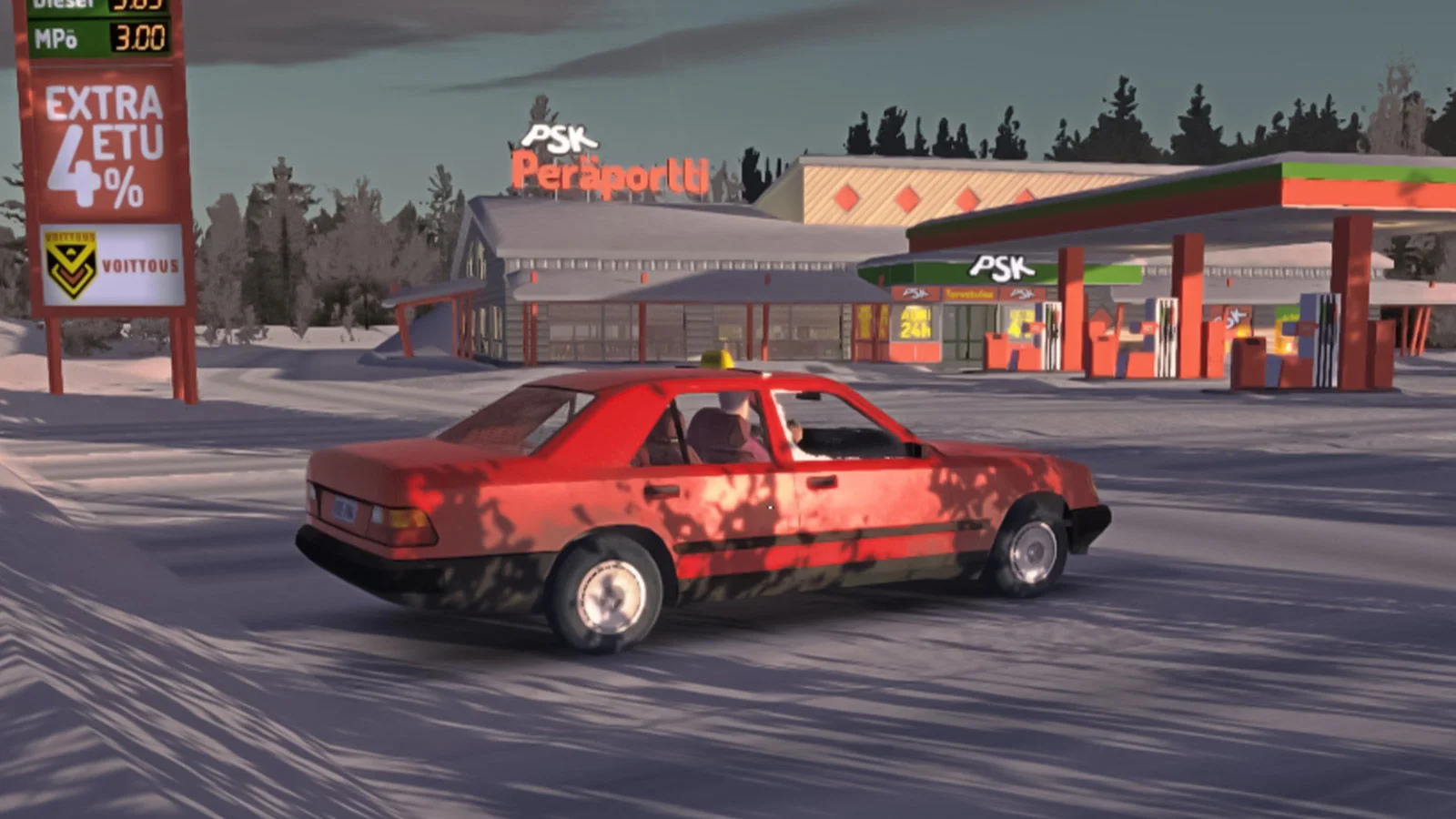
Surviving in My Winter Car isn’t just about building your Rivett—it’s about keeping your character alive while doing it. The Finnish winter is brutal, your body has needs, and the game features permadeath. One bad decision means starting completely over.
This guide covers every survival mechanic you need to master, from body temperature to the “Problem” bar that makes alcoholism a gameplay feature.
Table of Contents
Understanding the Survival HUD
Your character’s condition is displayed through several meters at the top of the screen. Each one can kill you if ignored.
Body Temperature
The most dangerous meter in the game. Your temperature drops constantly when outside, and hypothermia kills fast.
How Temperature Works:
- 100-80%: Normal, no penalties
- 80-60%: Cold, slight movement slowdown
- 60-40%: Very cold, shivering begins, 20% speed reduction
- 40-20%: Freezing, screen blur, damage starts
- Below 20%: Near death, unconsciousness imminent
Drop Rates by Environment:
| Environment | Approx. Drop Rate | Time to Critical |
|---|---|---|
| Indoors with fire | Almost none | Safe indefinitely |
| Indoors without fire | ~2% per minute | ~30 minutes |
| Outdoors clear weather | ~3% per minute | ~20 minutes |
| Outdoors during snowfall | ~5% per minute | ~12 minutes |
| Blizzard conditions | ~10% per minute | ~6 minutes |
 Cloudheim guide: How classes, weapons, and XP work together with pinball combat
 Winter clothing reduces these rates by roughly 40-60%, but even full gear won’t save you in a blizzard for long.
Warming Up
Heat Sources:
- Sauna: The fastest way to restore temperature. A few minutes gets you back to 100%
- Fireplace/Wood Stove: Slower but effective. Keep these burning overnight
- Car Heater: Works while driving with a running engine
- Hot Food: Provides a small temperature boost through metabolic heat
- Oven: Standing near it provides moderate warming
The Sweat Problem
Wearing too many layers indoors causes sweating. This becomes dangerous when you step back outside—the moisture accelerates heat loss dramatically. Remove heavy clothing when warming up near fires, then layer back up before heading out.
Hunger and Thirst
Both meters drain constantly and accelerate during physical activity.
Hunger
Drain Rate: Roughly 1% every 3 minutes during normal activity. Heavy labor doubles this.
Hunger Effects:
- Above 50%: No penalties
- 25-50%: Stamina reduction begins
- Below 25%: Severe stamina penalty, hunger pangs
- 0%: Death
Food Sources:
| Food | Hunger Restored | Notes |
|---|---|---|
| Canned Soup | ~35% | Also restores thirst |
| Canned Beans | ~40% | Cheap and effective |
| Sausage | ~30% | Available at Teimo’s |
| Bread | ~25% | Budget option |
| Moose Meat (Cooked) | ~60% | Free if you hunt |
 How to Fix DXGI_ERROR_DEVICE_HUNG in ARC Raiders
 Best value: Canned soup handles both hunger and thirst. Stock up at Teimo’s store.
Thirst
Drains faster than hunger, especially during physical work or when near heat sources.
Water Sources:
- Tap water at home (free)
- Bottled water from Teimo’s
- Coffee (also reduces fatigue slightly)
- Soup provides hydration alongside calories
The “Problem” Bar
This is My Winter Car’s most unique survival mechanic—your character’s alcohol dependency. The bar represents withdrawal stress, not intoxication.
Key Points:
- When the Problem bar fills up, you risk sudden death
- Drinking water does NOT lower this bar—it only prevents it from rising faster
- Beer and spirits actually reduce the bar
- This creates a genuine gameplay dilemma: drink to survive, but drunk driving kills
Managing Your Problem:
- Keep beer or spirits at home for emergencies
- Drink in moderation—you still need to drive
- The sauna and chopping wood also help reduce the bar
- Coffee provides minor relief
Fatigue System
Staying awake too long causes blackouts, which are especially deadly while driving.
Fatigue Progression:
- 80-100%: Fully rested, no issues
- 40-80%: Growing tiredness, minor slowdown
- 20-40%: Severe tiredness, vision issues begin
- Below 20%: Risk of passing out
Sleep Mechanics:
- Use any bed or sofa to sleep
- 8 hours restores fatigue completely
- Hunger and thirst drain slows significantly while sleeping
- Temperature continues dropping—ensure your fire lasts the night
Blackout Warning: If your screen starts going dark while driving, stop immediately. Moving the mouse rapidly can buy you seconds, but you need sleep.
Urine Meter
Yes, you can die from a burst bladder. Heavy drinking fills this meter fast.
The Solution: Press P to urinate. Do this often if you’re drinking beer to manage your Problem bar. There’s no penalty for frequent bathroom breaks, but ignoring this meter entirely leads to an embarrassing death.
Stress Management
Stress builds through frustration—failed repairs, getting stuck, general Finnish winter misery.
Reducing Stress:
- Press N to swear (actually works)
- Use the sauna
- Chop firewood
- Drink coffee
- Complete successful repairs
High stress impacts your character’s steadiness and can contribute to the Problem bar filling faster.
Permadeath Explained
This is the most important thing to understand: when you die, you lose everything.
Death Conditions:
- Temperature reaches 0%
- Hunger reaches 0%
- Thirst reaches 0%
- Problem bar maxes out
- High-speed vehicle crash (above 80 km/h)
- Falling from height
What Happens:
- Character deleted
- All progress lost
- Car parts scatter back to original locations
- Money resets
- No checkpoints, no second chances
Saving Your Game: The only save method is sleeping in a bed. Save frequently. Before any risky activity—long drives, blizzard trips, heavy drinking sessions—sleep first.
Emergency Survival Protocols
When things go wrong, act fast.
Temperature Emergency (Below 40%)
- Get indoors immediately
- Light every fire available
- Eat warm food
- Remove wet clothing
- Do NOT sleep until temperature exceeds 50%
Starvation Emergency (Below 20% Hunger)
- Eat anything available
- Head to Teimo’s store if home supplies empty
- Accept that the trip is risky
- Drive carefully—crashes end everything
Problem Bar Crisis
- Drink beer or spirits immediately
- Get to your sauna
- Chop wood if available
- Do NOT drive while intoxicated
Daily Survival Routine
Following a consistent routine prevents most emergencies.
Morning:
- Wake up, check all meters
- Eat a full meal
- Add wood to fire
- Warm up to 100% before leaving home
During Work:
- Monitor temperature constantly outdoors
- Plan trips around weather
- Carry emergency food
- Return home before nightfall when possible
Evening:
- Large meal to restore hunger
- Manage Problem bar if needed
- Stock firewood for overnight
- Sleep to save progress
Advanced Tips
Stock Emergency Supplies: Keep at least three days of food, water, and firewood at home. Bad weather can trap you inside.
Watch Your Weight: Overeating without physical activity makes your character heavier, affecting movement speed and car handling.
Weather Awareness: Check conditions before long trips. Getting caught in a blizzard far from shelter is often fatal.
Car Heater Priority: If your Rivett runs, keep that heater working. It transforms dangerous drives into safe ones.
Save Before Everything: About to drink heavily? Save first. Planning a night drive? Save first. Testing car repairs? Save first.
Conclusion
My Winter Car’s survival systems make every activity meaningful. You’re not just building a car—you’re managing a fragile human being in one of the harshest environments imaginable. Master these mechanics, respect the weather, and always remember: the graveyard is full of people who thought they could make it home without stopping for sausages.
Stay warm, stay fed, and don’t forget to pee.
FAQs About My Winter Car Survival Guide
What should be in a winter survival kit for car?
Warm clothing, blankets, flashlight, jumper cables, ice scraper, shovel, sand or kitty litter for traction, non-perishable food, water, first aid kit, phone charger, and emergency flares.
How to survive in your car during winter?
Stay inside, run the engine for heat in 10-minute intervals, crack a window slightly to prevent carbon monoxide buildup, stay visible with hazard lights or bright cloth on the antenna, and avoid overexertion.
How long can you leave a car without starting it in the winter?
About two weeks maximum. Cold weather drains batteries faster. Beyond that, the battery may die, fluids can thicken, and tires may develop flat spots.
Why put a glass of salt in your car?
Salt absorbs moisture from the air, reducing condensation and fog buildup on windows. Helps prevent interior dampness during cold weather.