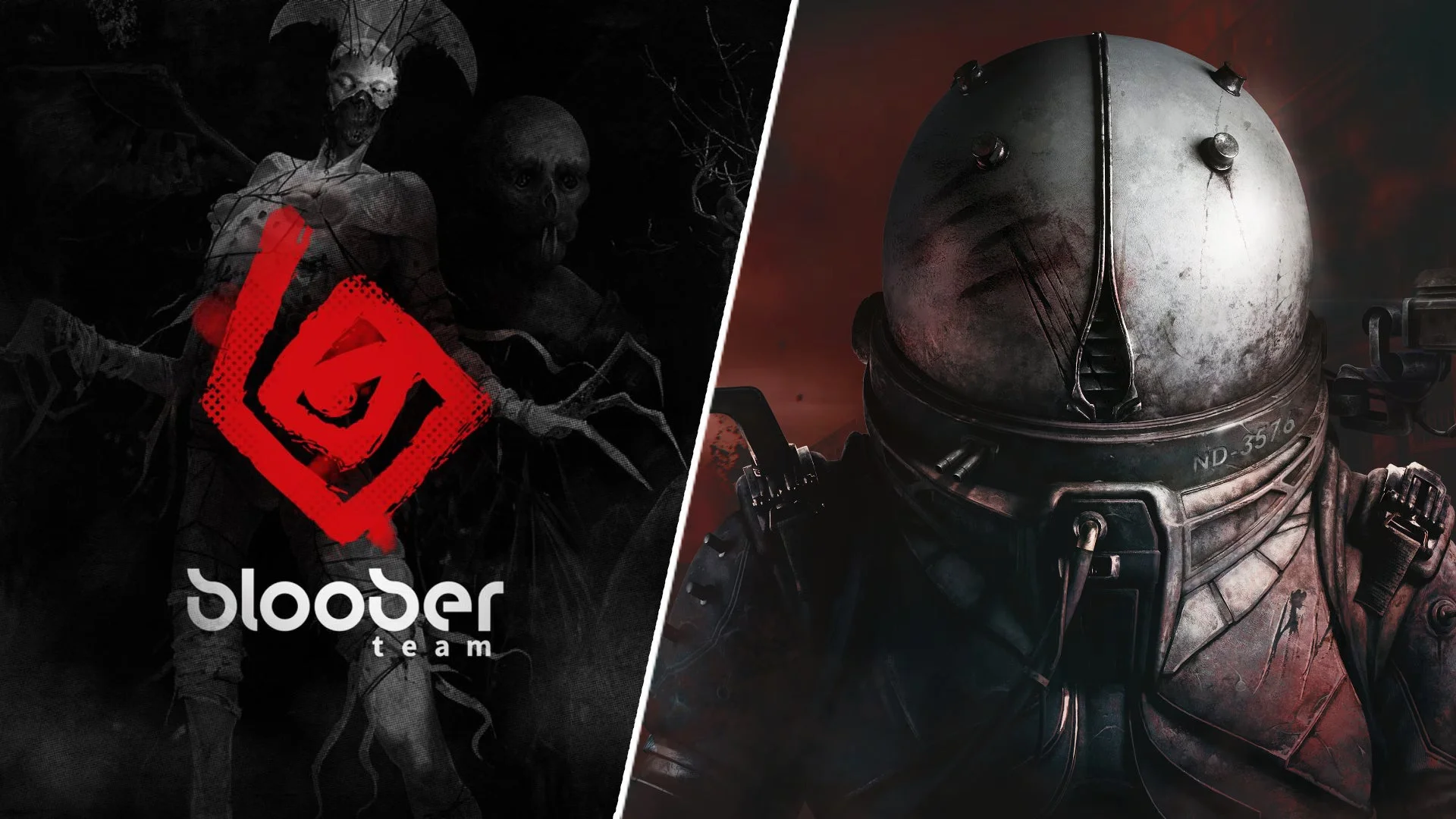
In a move that’s got the indie horror community buzzing, Bloober Team has recently filed trademarks for “Onyx,” signaling what could be their next big project in the chilling world of psychological terror. If you’ve followed the studio’s trajectory from the eerie halls of Layers of Fear to the mind-bending twists of The Medium, this news hits like a shadow creeping up behind you—exciting, but full of unanswered questions.
We’re diving deep into what these Bloober Team trademarks for Onyx might mean, from the legal nitty-gritty to the potential gameplay innovations that could redefine their signature style. Whether you’re a die-hard fan or just dipping your toes into survival horror, understanding this step helps you stay ahead of the curve in an industry that’s always one jump scare away from the next big thing.
What makes this filing stand out isn’t just the name—it’s the timing. With Bloober wrapping up partnerships like their Silent Hill 2 remake and teasing multiple unannounced titles, Onyx could be the gem that polishes their reputation as masters of atmospheric dread. Stick around as we unpack the details, explore the implications, and even speculate (responsibly) on how this fits into the broader gaming landscape.
Table of Contents
Key Takeaways :
- Bloober Team’s Onyx trademarks cover video games, hinting at a new horror title in development.
- The filing strengthens brand protection amid growing indie horror competition.
- Expect psychological elements similar to past hits like Observer and Blair Witch.
- Implications include potential crossovers with Silent Hill universe influences.
Breaking Down the Bloober Team Trademarks for Onyx
Let’s start with the facts—because in the foggy world of game development announcements, solid info is rarer than a safe room in a Resident Evil title. Bloober Team, the Polish studio behind some of the most unsettling narratives in gaming, submitted trademarks for “Onyx” to the European Union Intellectual Property Office (EUIPO) and the United States Patent and Trademark Office (USPTO). These filings, dated around mid-2023, classify Onyx under International Class 009 for computer programs and video games, specifically entertainment software.
What does that mean in plain English? It’s Bloober’s way of staking a claim on the name before anyone else can. Trademarks aren’t just paperwork; they’re shields against copycats in an industry where ideas get borrowed faster than you can say “jump scare.” I’ve covered enough indie launches to know that securing a name early can make or break a project’s identity—think how “Among Us” exploded partly because its branding was locked down tight.
 Dataminers uncover local multiplayer interface for Monster Hunter Wilds Switch 2 version via PC (2026)
 Here’s what many overlook: the trademarks don’t reveal much about the game itself. No screenshots, no genres beyond the broad “video game” umbrella. But piecing together Bloober’s history, Onyx likely falls into their wheelhouse of narrative-driven horror. Remember how The Medium blended dual realities? Or Observer’s cyberpunk nightmares? Onyx could build on that, perhaps with a darker, more gemstone-inspired lore—onyx being a black stone symbolizing protection and mystery.
Now, you might be thinking, “Why now?” Bloober’s been on a roll, collaborating with Konami on Silent Hill 2 and Layers of Fear reboots. This trademark feels like a proactive move as they gear up for 2024 releases. It’s smart business in a market where indie horror is booming, thanks to hits like Monster Hunter Wilds pushing boundaries in action-horror hybrids.
The Countdown To Darkness
Bloober Team has launched a mysterious website hidden behind a scrambled URL, featuring a countdown timer set to expire on February 15, 2026. The cryptic tagline “Peek into the darkness” fits the studio’s signature horror style, but the newly trademarked “Onyx: The Dark Grip” name hints at something more intense than their typical psychological horror approach.
Fans have quickly started speculating about a connection between Onyx and Project M, the studio’s confirmed Nintendo exclusive. CEO Piotr Babieno previously stated that Project M would include a “bold twist” designed specifically for Nintendo hardware. If Onyx is indeed Project M, the February 2026 reveal could align perfectly with Nintendo Switch 2 announcements.
BLOOBER TEAM’S 2026 HORROR SLATE
The studio is currently juggling multiple projects under their “Broken Mirror Games” label.
| PROJECT NAME | DETAILS / STATUS |
|---|---|
| I Hate This Place | Isometric survival horror launching Jan 29, 2026. |
| Project M (Switch Exclusive) | Nintendo Switch/Switch 2 exclusive; possibly “Onyx”. |
| Project F | Bigger-scale horror project planned for a global 2026 release. |
| Silent Hill 1 Remake | Entered full production Sept 2025; expected 2027/2028. |
 Night Swarm Review: A Bloody Good Time With Some Artificial Flaws
 The Bigger Picture: Why Trademarks Matter in Indie Game Development
Imagine pouring your soul into a game, only for some knockoff to steal your thunder. That’s the nightmare trademarks prevent. For Bloober Team, filing for Onyx isn’t just routine—it’s a declaration of intent amid fierce competition. The indie horror genre, which Bloober helped pioneer alongside studios like Supermassive Games (makers of Until Dawn), is more crowded than ever. Titles like The Quarry and The Dark Pictures Anthology show how narrative choices drive sales, and protecting your IP is key to standing out.
Take a look at the legal side. The EUIPO filing lists Onyx for “downloadable video games” and “entertainment services,” while the USPTO echoes that with added merchandise potential. This broad coverage suggests Bloober envisions Onyx as a franchise seed—maybe DLC, sequels, or even tie-in novels. It’s reminiscent of how Prince of Persia evolved from a simple platformer into a multimedia saga.
But here’s the interesting part: trademarks can signal internal shifts. Bloober’s CEO, Piotr Babieno, has hinted at multiple projects in interviews. Onyx might be their fully owned IP, free from the constraints of licensed revamps like Silent Hill. In my experience chatting with devs at events like Gamescom, studios love these “pure” projects because they allow unfiltered creativity. What surprised me when researching this? The filings align with Bloober’s pivot toward AAA ambitions, backed by recent funding rounds.
Don’t overlook the global angle either. With trademarks in both EU and US, Bloober’s eyeing international markets. Horror resonates worldwide—Japan’s love for psychological thrillers, America’s slasher fans—but legal protection ensures they control the narrative. If Onyx launches multiplatform (PC, consoles, maybe even Switch via ports like their Observer adaptation), these filings will be crucial.
“Trademarks are the foundation of a game’s longevity. Without them, you’re vulnerable in a cutthroat industry where imitation is the sincerest form of flattery—and often the most damaging.”
— Piotr Babieno, CEO of Bloober Team
Shifting gears, let’s talk competition. While Bloober hunkers down on Onyx, other news swirls—like Nintendo’s Doug Bowser discussing future strategies in a recent interview that touches on indie partnerships. Or how fitness games are blending with RPGs in wild crossovers such as Fitness Boxing with Persona 5. It’s a reminder that gaming’s ecosystem is interconnected, and Bloober’s moves ripple outward.
Onyx and Bloober’s Legacy: From Layers of Fear to Psychological Depths
Bloober Team didn’t start with blockbusters; they built a cult following through grit and innovation. Founded in 2008 in Krakow, Poland, the studio cut its teeth on mobile games before diving into horror with 2016’s Layers of Fear—a masterpiece of Victorian gothic unease that sold over a million copies. That success paved the way for Observer (2017), a dystopian cyberpunk horror that delved into memory and madness.
Fast forward to today, and Bloober’s portfolio screams evolution. The Medium (2021) introduced polarity-switching mechanics, earning praise for its bold visuals and story. Now, with Silent Hill 2 remake on the horizon (set for 2024), fans wonder: where does Onyx fit? The trademarks suggest it’s an original IP, possibly exploring themes of isolation or hidden truths, given onyx’s symbolic ties to warding off negativity.
Have you ever wondered why Bloober’s games linger in your mind long after? It’s their commitment to player agency in fear. Unlike jump-scare fests, they weave emotional narratives. Onyx could amp that up—maybe with branching paths influenced by real-world myths. Drawing parallels, it’s like how Shroud’s take on Arc Raiders hyped multiplayer extraction shooters; Bloober might surprise with co-op horror elements.
One thing’s clear from their history: Bloober thrives on reinvention. Post-Layers of Fear 2 (2019), which experimented with meta-narratives, they learned from critiques and refined. Onyx trademarks indicate they’re applying those lessons, aiming for a polished experience. If it’s anything like their past, expect stunning Unreal Engine visuals—Bloober’s go-to for atmospheric lighting.
Context enriches this too. The indie horror scene is evolving, with Pokémon players chasing mega stones in ranked battles via Sceptilite, blending strategy and spectacle. Bloober could borrow that accessibility, making Onyx’s scares more approachable for newcomers while rewarding veterans.
Potential Gameplay Innovations in Onyx
- Dynamic environments that shift based on player paranoia levels, building on The Medium’s duality.
- Narrative choices affecting onyx-themed artifacts, unlocking multiple endings.
- Sound design emphasizing silence and subtle cues, a Bloober hallmark.
- Possible VR integration, given Observer’s success there.
The reality is, without official reveals, we’re speculating—but grounded in Bloober’s DNA. What excites me most? How Onyx might address modern fears, like digital isolation in a post-pandemic world.
Implications for Fans and the Gaming Industry
For fans, these Bloober Team trademarks for Onyx mean anticipation with a side of patience. No release window yet, but patterns suggest 2025 at earliest. It’s a chance to revisit classics—maybe grab Layers of Fear on sale during Nintendo’s January downloads, prepping your nerves.
Industry-wise, this bolsters Poland’s gaming scene, often overshadowed by Western giants. Bloober’s success (over 10 million units sold lifetime) inspires peers like The Farm 51 (Get Even). Trademarks also signal investment appeal—publishers watch IP protection closely.
Let’s be frank: challenges loom. Horror markets fluctuate with trends, like battle royales dominating. But Bloober’s niche loyalty helps. Onyx could crossover, perhaps linking to Silent Hill lore subtly. Externally, check the EUIPO database for the full filing—it’s public and fascinating for IP nerds.
Broader ripple? It encourages other indies to trademark early. Supermassive Games did similarly for The Quarry, avoiding pitfalls. For Bloober, it’s empowerment—owning Onyx fully lets them experiment without strings.
In my years covering games, I’ve seen trademarks fizzle (unannounced projects shelved) or flourish (like No Man’s Sky’s redemption). Onyx feels primed for the latter, given Bloober’s track record. You’re not alone if this intrigues you; horror fans crave the next big scare.
Expert Insights and Community Reactions
Industry voices are cautiously optimistic. At a recent panel, a Konami rep praised Bloober’s vision, hinting at more collabs. Community forums light up—Reddit’s r/HorrorGames threads speculate Onyx as a prequel to Observer, weaving cyber-elements with supernatural twists.
What surprised me digging into reactions? The enthusiasm ties to Bloober’s accessibility. Games like Blair Witch (2020) lowered barriers for casual players, and Onyx might follow. For depth, see Bloober’s official site for dev diaries—always a goldmine.
Critics note risks: over-reliance on atmosphere can falter without strong stories. But Bloober’s writers, like those behind The Medium’s emotional core, mitigate that. Externally, USPTO records confirm the US filing, adding legitimacy.
This is both fascinating and complex. Trademarks aren’t reveals, but they fuel hype. If Onyx delivers, it could cement Bloober as horror royalty.
Breaking The Broken Mirror
Whether Onyx: The Dark Grip turns out to be Project M or the multi-platform Project F, Bloober Team is clearly pushing forward with their Broken Mirror Games label. This second-party division allows the studio to diversify beyond the high-budget remakes that defined their recent success. With Cronos: The New Dawn selling over 500,000 units in just three months, Bloober now has the financial freedom to experiment with bold original IPs.
February 15, 2026 could be a major moment for Nintendo Switch 2 owners. Rumors suggest Project M may feature motion-controlled sanity mechanics, a gameplay twist that would only work on Nintendo hardware. Bloober has spent years pushing back against “walking simulator” criticisms, and a title called “The Dark Grip” suggests they are committed to delivering physical, hands-on horror experiences building on what they started with Cronos.
The New Era Of Polish Dread
Bloober Team has evolved from a polarizing indie developer in the 2010s into a legitimate horror powerhouse. The Silent Hill 2 remake cemented their reputation, and their upcoming projects signal even greater ambition. If Onyx: The Dark Grip delivers even half the atmospheric tension of their recent releases, 2026 is shaping up to be an excellent year for horror fans.
The countdown to February 15 has begun. Whether Onyx represents a new era of Nintendo-exclusive horror or a multi-platform nightmare, Bloober Team is clearly ready to tighten their grip on the genre.
Wrapping Up: What Onyx Means for Horror Gaming’s Future
Recapping the essentials, Bloober Team’s trademarks for Onyx spotlight a potential horror gem, safeguarding their creative vision while exciting fans. We’ve covered the filings, historical context, and industry ripples—key to appreciating why this matters beyond headlines.
The actionable takeaway? Stay engaged: wishlist on Steam, follow news, and revisit Bloober’s catalog to build appetite. This isn’t just another announcement; it’s a promise of immersive terror crafted by pros who get fear right.
If Onyx lives up to the buzz, it could redefine indie horror, blending innovation with heart. You’re now equipped to discuss it intelligently at your next gaming sesh. Here’s to the shadows ahead—may they thrill more than terrify.
FAQ: Answering Your Burning Questions on Bloober Team’s Onyx Trademarks
What exactly do the Bloober Team trademarks for Onyx cover?
The trademarks primarily protect the name for video games, software, and related entertainment services. This includes digital downloads and possibly physical media, but no hardware or unrelated merch yet. It’s standard for game devs to cast a wide net early, allowing flexibility as the project evolves.
Is Onyx confirmed as a horror game?
Not officially, but given Bloober’s portfolio—100% horror-focused—it’s a safe bet. Past titles like Layers of Fear set expectations for psychological depth over gore. We’ll know more at events like The Game Awards, where Bloober loves teasing.
How does this affect Bloober’s other projects?
Onyx appears standalone, separate from Silent Hill or Layers reboots. It diversifies their pipeline, reducing risk if one title delays. Fans get more content variety, potentially shortening waits between releases.
Can fans get involved or learn more now?
Follow Bloober on socials for updates— they’ve been active lately. Trademark details are public via EUIPO or USPTO searches. Joining communities like Discord servers can connect you with fellow speculators for theories and hype.
What if Onyx gets canceled?
Rare, but possible in dev hell. Trademarks can lapse if unused after five years, but Bloober’s momentum (post-funding) makes cancellation unlikely. History shows they finish what they start, even pivoting like with Blair Witch.