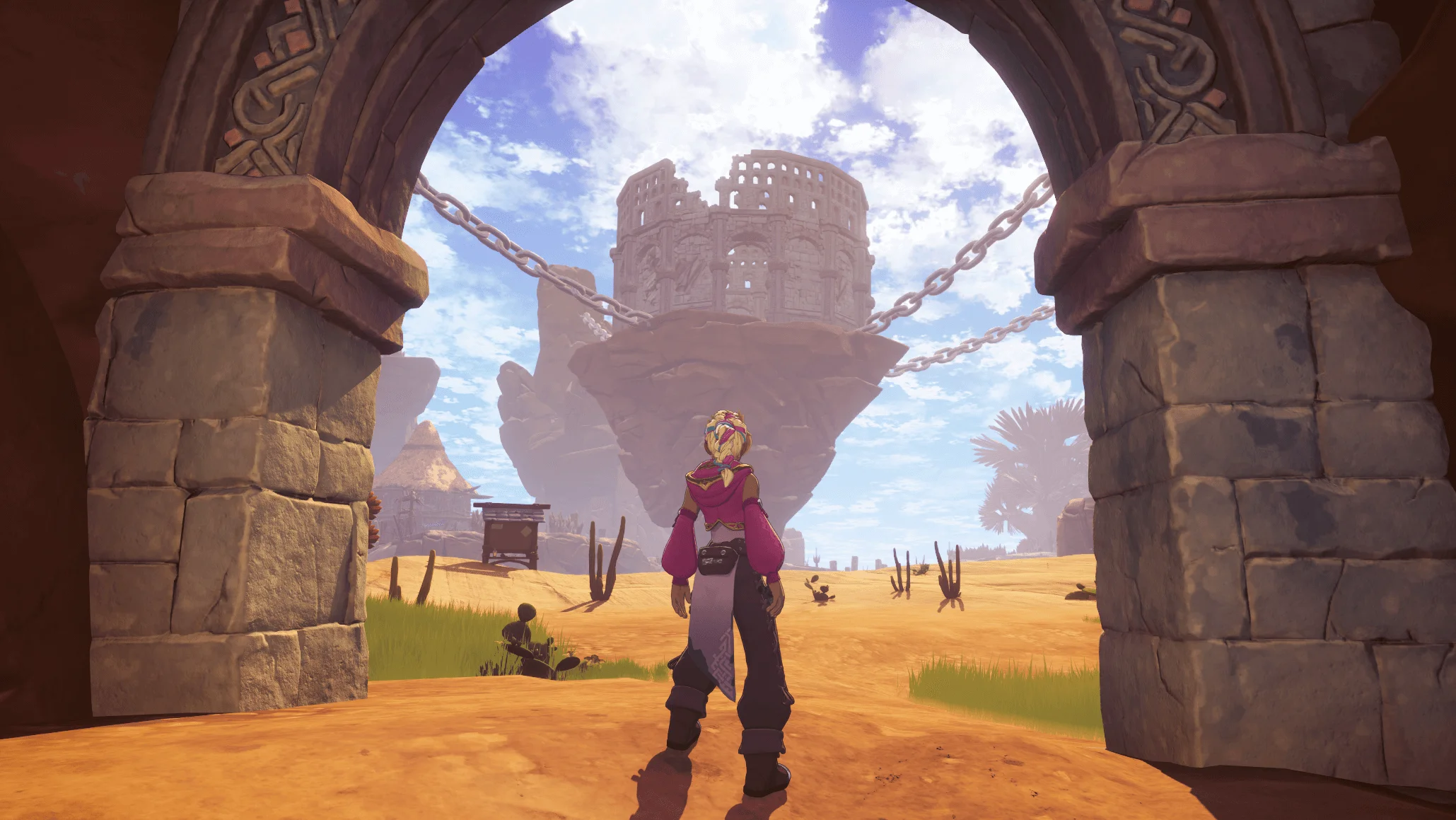
Cloudheim takes familiar gaming concepts and reinvents them with fresh twists on classes, combat mechanics, and experience systems.
Understanding how everything connects can feel overwhelming at first. This Cloudheim guide breaks down the relationship between classes, weapons, and XP so you can jump in with confidence.
Table of Contents
Cloudheim guide classes
Early in your adventure, you’ll select a starting class before learning much about what Cloudheim has to offer. The good news? There’s no wrong pick here since classes remain flexible throughout your journey. Your initial selection simply shapes your first few hours of gameplay.
Here’s what each Cloudheim class brings to the table.
Breaker class
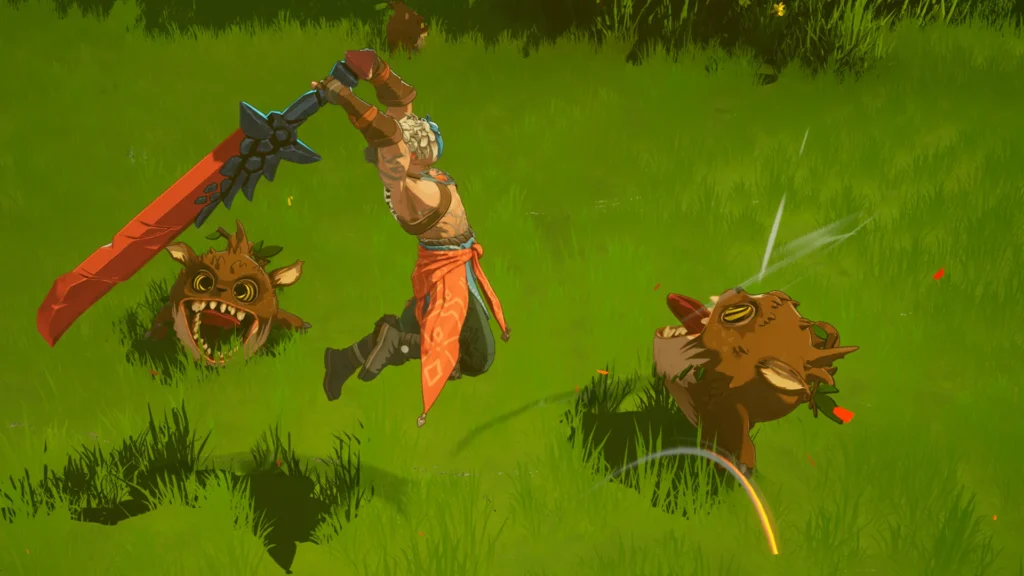
Breakers serve as Cloudheim’s heavy hitters.
Their arsenal includes axes, greatswords, and hammers. Breakers excel at punishing armored foes, making them invaluable during boss encounters. Their abilities harness fire damage and deliver devastating area of effect (AOE) strikes.
Advancing as a Breaker boosts your Strength stat.
Ranger class
Rangers thrive on speed and fluid attack chains.
They wield kamas (curved blade weapons), katanas, and can equip weapons in both hands simultaneously. Rangers shine against vulnerable targets, with abilities emphasizing agility and rapid movement.
Progressing as a Ranger enhances your Speed stat.
Runeblade class
Runeblades function as magic-focused ranged fighters wielding swords and phantom blades.
Their specialty lies in elemental attacks, with offensive capabilities spanning ice and lightning magic. Beyond dealing damage, they possess on-demand healing abilities and generate automatic area heals upon completing attack combos.
Growing as a Runeblade strengthens your Magic stat.
Sentinel class
Sentinels prioritize protection above all else.
Their weapon selection centers on defensive options. Similar to Runeblades, Sentinels trigger automatic AOE healing after finishing combos. Their toolkit delivers crowd control and battlefield management.
Developing as a Sentinel improves your Vigor stat.
Combining classes
Cloudheim’s standout feature is its fluid class system. Switching classes doesn’t require starting over or creating new characters—simply swap your equipped weapon. Your active weapon dictates your current class.
Extended use of any weapon builds what Cloudheim calls “mastery.” Combat earns XP for both you and your weapon until eventually reaching maximum proficiency. Leveling also unlocks fresh abilities through each class skill tree.
Picture starting as a Runeblade with a sword equipped. Adding a second sword deepens your commitment to that upgrade path. Every swing advances your Runeblade progression.
Now suppose a tough boss appears. Recalling that Breakers gain advantages against armored enemies, you forge an axe. Equipping that axe in your secondary slot means combat with it now builds Breaker experience. More axe usage equals faster Breaker advancement.
 How to Build My Winter Car Corris Rivett – ALL PARTS & ASSEMBLY PROCESS EXPLAINED
 This weapon-class connection encourages creative builds, and discovering your ideal loadout becomes part of the adventure.
Earning XP and leveling up
Experience points drive progression in Cloudheim. Accumulate enough XP and your level rises. What makes this system interesting is the variety of activities that contribute to your growth.
Crafting items, defeating enemies, catching fish, and gathering resources all generate XP, tracked by the blue bar at the bottom of your screen. Combat isn’t the only path forward—these alternative activities provide meaningful progression.
Each level increases your Magic, Speed, Strength, and Vigor based on which weapons you’ve been using. New class abilities also unlock as you advance.
Mastering combat
Button-mashing through Cloudheim is possible but makes everything unnecessarily difficult. Combat rewards players who understand its physics-based mechanics and combo structure.
Physics enter the equation through impulse attacks. Despite seeming secondary initially, these moves prove equally powerful as standard weapon strikes.

 My Winter Car Phone Guide: All Numbers, Locations & How to Call (2026)
 Impulse attacks let you fight weaponless through four distinct actions: launch, pull, push, and smash. Each generates impulse damage as enemies collide with obstacles and each other.
Greater collisions mean higher damage output. During fights, send opponents bouncing around like pinballs, pull them into slow-motion states for easy targeting, or strike while they’re airborne. Even better: yank enemies toward you then kick them into their allies for compounding impulse damage.
Higher levels increase your impulse damage potential. These attacks also shred heavy armor while bypassing enemy resistances entirely. Master them and fights become significantly easier.
Combos build naturally on top of impulse mechanics and standard attacks. Every weapon features built-in combo sequences where each successive hit deals increased damage, rewarding sustained aggression. Certain classes gain combo finisher bonuses—Runeblades recover health, for instance. Dodging and kicking help maintain active combos.
Whether adventuring alone or grouped with others, landing consecutive hits raises your combo score. Higher combos translate directly into better loot drops.